
🌱 Could Wegovy and Ozempic Help Fight Colon Cancer?
🧾 What happened?
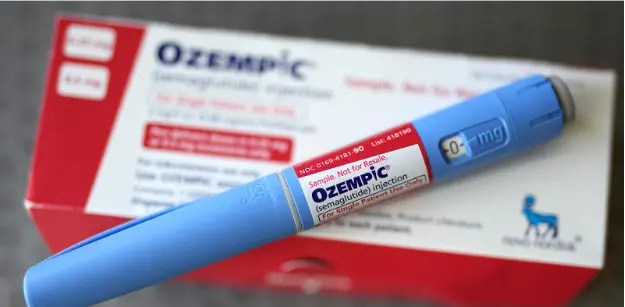
The weight-management drugs Ozempic and Wegovy have become blockbuster treatments for obesity and are having a real impact on patients. Millions of people in the United States now use GLP-1 medications. One study from the Kaiser Family Foundation, a leading health data organization, estimates that 12 percent of people in the US have used them.
These drugs are synthetic versions of the naturally occurring GLP-1 hormone, which regulates a variety of metabolic functions. While the benefits of GLP-1 drugs are well established for diabetes, weight management, and cardiovascular disease, a new study suggests a potential benefit for colon cancer patients as well.
🔬 What was found?
The study analyzed medical records from more than 6,800 people diagnosed with colon cancer. Patients who were taking GLP-1 medications were significantly less likely to die within five years compared with those not using the drugs
(15.5 percent versus 37.1 percent).
The benefit appeared strongest among obese patients with colon cancer (BMI over 35).
Although this was not a randomized trial, the findings suggest a meaningful survival advantage and point toward a possible new therapeutic value for GLP-1 drugs.
💡 So what?
When GLP-1 drugs were first introduced, beginning with the 2005 approvals for Type 2 diabetes, there were early concerns about risks such as pancreatitis and possible links to pancreatic or thyroid cancers.
However, recent meta analyses from clinical trials and large observational datasets have found no evidence of increased cancer risk. In fact, several studies suggest potential protective effects, including reduced incidence of hepatocellular carcinoma, colorectal cancer, ovarian cancer, and prostate cancer.
The caveat is that cancer often develops over many years, and the existing studies may not cover long enough time periods to detect small differences in risk.
Even so, the current data are promising. This new study is the first to examine the effect of GLP-1 drugs on mortality in colon cancer patients, and the results align with earlier findings of reduced colon cancer incidence in GLP-1 users.
As more people begin taking these medications, researchers should pay closer attention to their effects on other diseases, including cancer. If GLP-1 drugs are truly protective, controlled clinical trials will be needed to prove it. Such a finding could be a genuine game changer, and companies like Pfizer and Novo Nordisk would not hesitate to explore broader therapeutic applications for their leading products.
🔗 Sources
- The Influence of GLP-1 Receptor Agonists on Five Year Mortality in Colon Cancer Patients
https://www.tandfonline.com/doi/full/10.1080/07357907.2025.2585512 - GLP-1 Receptor Agonists and Cancer: Current Clinical Evidence and Translational Opportunities for Preclinical Research https://www.jci.org/articles/view/194743
 Dr. Simon Says Science (And More)