Sequencing Everything, Understanding Little: AI and the Cancer Data Problem

How to Kill a Shapeshifter – A New Weapon?

In 2023, I returned to the cancer biology field after over 10 years away and the first thing that struck me was how much the field had changed, namely how much data was being generated. My PhD work took an approach that was common for pre-clinical, academic cancer research at the time. The usual flow for molecular cancer research involved identifying an interesting molecular change (in my case, an upregulation of the Notch pathway signaling protein Jagged1), confirming this change in diverse human tumor samples and data sets, identifying a model system, knocking it down or perturbing this biomarker in some way, maybe making a mouse model of it, and finally looking at the impacts on cancer biology when you disrupt the molecule. In other words, a reductionistic approach to oncology, understanding the key molecular drivers in a certain cancer and focusing research around that one specific molecular change. Targeting treatment to an individual type of cancer based on its specific genetic changes or other molecular features is called precision oncology. 

More than 10 years later, precision oncology is still the name of the game but now everything is focused on as much data as possible. The reductionist single gene, single target approach yielded to massive datasets derived from a whole rainbow of advanced “seq” and “omics” techniques designed to look at genetic, transcriptomic, epigenetic, proteomic, and other data types in millions of individual cancer cells, sometimes looking at multiple different molecular classes simultaneously (plus spatial and temporal combinations). In other words, oncologists are cranking out more data than ever before and refining their picture of what cancer is at the molecular level to higher and higher resolutions. AI, allegedly skilled at making sense of complexity and drawing connections between gargantuan amounts of data, could very well help decipher the mysteries of cancer at the molecular level. Demonstrable benefits led by AI have already occurred in the oncology field and some of the most anticipated benefits of AI applications to biology are predicted as well. But is the hype warranted? What has AI accomplished so far, what are the gaps, and what are the predictions for the future? What is AI-led research finding that previous decades of human-led research have not? Is usage of biological data in AI systems safe, ethical, and controllable?

Cancer is a protean and resilient disease. There is no single cancer but hundreds of diseases that all share similar behaviors. Genetic mutation, either inherited, caused by environmental factors, or random errors, is the underlying mechanism of all cancers. Looking for these specific genetic perturbations in a specific cancer, while standard in the field these days, was itself a huge advancement over the previous decades. Indeed, the first true targeted cancer therapy against a discovered molecular change, HER2 in breast cancer, occurred in 1998 (Herceptin) followed by the approval of Gleevec for chronic myelogenous leukemia (CML) in 2001, and more than a hundred more since then. Cancer care was getting personal and the impacts on patient survival were significant (in combination with many other advances in cancer care). For example, CML used to be a death sentence but now with a family of molecules following after Gleevec, CML is one of the most treatable cancers. Despite these many advancements, treatment of many cancers remains dismally intractable.

One reason is that cancers are not homogenous. Even within a single cancer in a single patient, there are many different lineages of cancer cells and different driver mutations. The targeted therapies against the primary genetic drivers could be effective in killing 99% of cancer cells. Unfortunately, the 1% of remaining cells could comprise dozens of other subtypes avoiding the silver bullet of the therapy due to some other mutations present in them not targeted by the drug. These dormant lineages waiting in the wings then divide, mutate, evolve, and expand. Cancer recurrence/relapse usually occurs because the cancer is a different beast than before with new mutations the old drug doesn’t work against. Even worse, there may be even more sub-types within that cancer waiting for their turn to grow. “Cure” in cancer means a relentless battle with a shapeshifting enemy that is excellent at evading that thing that you designed to kill it. 

The Big Data Problem in Oncology

Deciphering cancer at the individual level requires a lot of understanding of all the meaningful molecular changes occurring in that cancer, not just the most prominent ones. The big-data, multi-modal approach I described above is tackling this challenge by looking at everything from the immune microenvironment, to diverse tissue types, to cancer DNA floating around in the blood (circulating tumor DNA, or ctDNA), and so much more. 
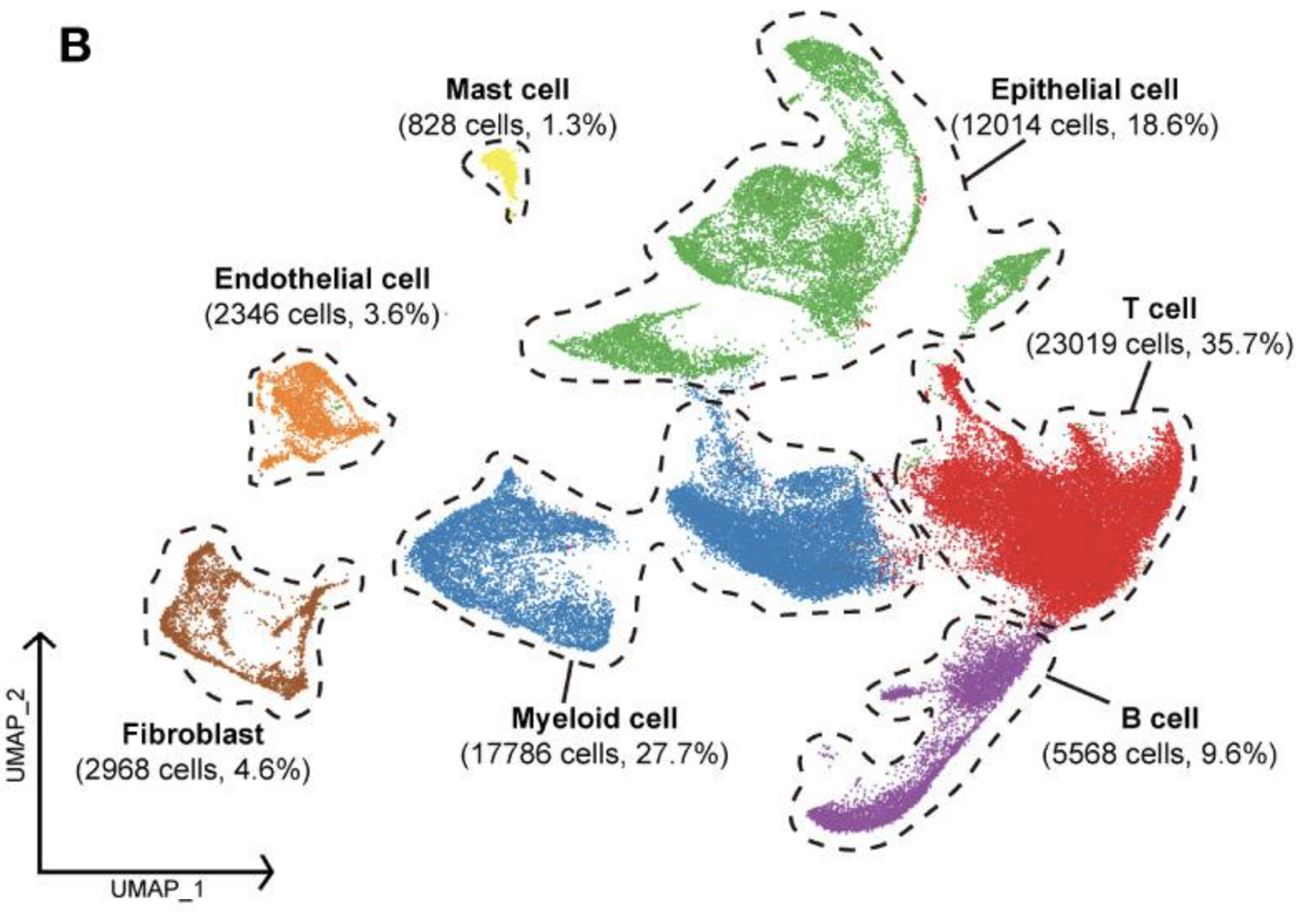
Figure 1. Example UMAP plot. Generate from single-cell RNAseq Data. Source.

Another thing that struck me upon my return to the field was that every presentation using big data approaches tended to end the same way: a Uniform Manifold Approximation and Projection (UMAP) plot that showed how all the thousands of individual cancer cells that were just sequenced clustered together. UMAP is a way of reducing the dimensionality of these huge data sets and compressing the biggest trends into visual patterns (Figure 1. for example). The clusters on a UMAP plot correspond to different cell populations with statistically related molecular patterns. The biological consequences of these different clusters? Unknown. Therapeutic implications? Also unknown. What does all this data mean? How do these clusters actually translate into an understanding of cancer biology in such a way that we can develop new therapies, or new ways of detecting or tracking cancer, or targeting existing therapies to the right people? Of course, insights are being drawn from all this data by people much smarter than me and tremendous work is happening on all these fronts (check out the AACR 2025 Cancer Progress Report for a summary of some accomplishments over the previous year). But my point is that if the amount of data being generated is only going to increase, then the human ability to comprehend it all needs some serious help. Maybe AI can do this better. AI models may be able to take the data, parse it, and figure out all the nuanced subtypes of cancer cells occurring in a single patient, and figure out which ones are the most dangerous or which therapies will work the best.

With the advent of AI, I believe the field is changing once again. Oncologists understand the power of big data, and many brilliant computational biologists identified many prominent signals that have led to hundreds of targeted therapies, but what all those UMAP plots translate into still eludes the field. UMAP is itself a machine learning approach and many other AI algorithms have been deployed in cancer biology for years. The most advanced AI models like large language models (LLMs), neural networks, and others (to be reviewed in a future post) seem to be exceptionally good at drawing patterns and making unexpected connections from the chaos of big data sets. But how exactly does AI apply to the cancer biology field? What is happening now with AI and cancer, what is it expected to do, and what are the limitations, both technical and practical?

AI Applications in the Cancer Care Continuum

AI in cancer can impact nearly every aspect of the cancer care continuum [Fig 2, insert image of cancer care continuum] from diagnosis to molecular characterization to treatment selection to development of new therapeutics. These fall roughly into three buckets which I’ll quickly summarize here for awareness. How exactly researchers are using AI in each of these areas requires a much deeper interrogation of individual papers. I’ll save that for future posts. The bread and butter of cancer biology is in these details, but I believe a brief high-level survey of where oncologists are already applying AI is still useful.
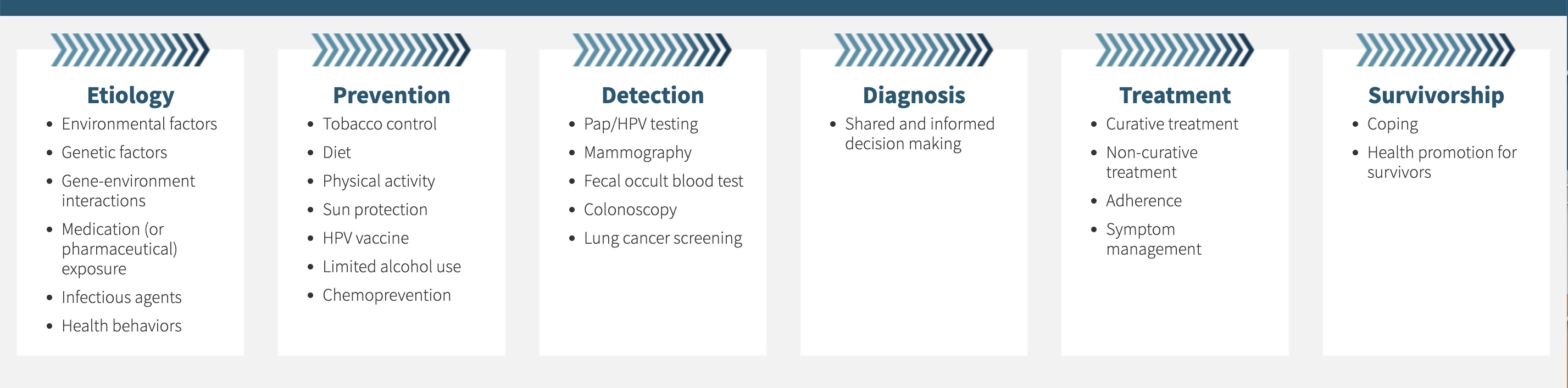
Figure 2. Cancer Care Continuum. Source.
  1. Prevention/diagnosis

The most effective way to increase survival from cancer is to identify it as early as possible. A promising avenue for AI could include screening of healthy patients that lack any biomarkers normally used to detect cancer. An exciting hypothesis is that AI may be able to identify patterns in certain blood tests or other health information routinely collected that predict the early stages of cancer that would otherwise be missed. Related, AI tools have already been developed to assist in routine screenings for skin, breast, and colorectal cancer. ctDNA is a major advancement in recent years for early detection. For example, an ML tool called GRAIL Galleri looks at methylation status in ctDNA to detect multiple cancer types and has gained CLIA certification. Finally, the diagnosis/characterization and classification of a cancer is probably the most familiar application for AI in cancer. For example, AI models trained on skin cancer images can diagnose new cancers to the same level as dermatologists, or maybe even better. 

  1. Optimizing current treatments and clinical trials

I mentioned the growing catalogue of targeted therapies and known driver mutations in hundreds of different cancers. How can one oncologist be expected to possibly keep up with the rapid changes and discoveries in the field and integrate the cumulative findings of researchers across the world? As discussed above, AI may be a powerful tool in this molecular characterization. An oncologist needs to know if the molecular signature predicts a slow growing tumor or an aggressive one and a possible prognosis. AI is being put to use on predicting patient outcomes and identifying the molecular signatures that are better/worse for a patient. For example, a model using genetic and transcriptomic data can predict favorable colorectal cancer outcomes. Similarly, AI may be able to discover new biomarkers that predict a positive response to a particular therapy. This is a hot area of research and many AI models fed on diverse data types have shown promise (for example, predicting immunotherapy response and therapy response in colorectal cancer and breast cancer) . Finally, matching the right patient to a clinical trial is complicated since a multitude of inclusion criteria must be met in order for the patient to be enrolled. AI involvement in matching patients with an appropriate trial could improve the efficiency of this process and some tools have already been developed. Assuming new AI tools gain FDA approval and demonstrate proven impacts on patient outcomes, diffusion and adoption of any of these new molecular tools will likely take time. Genomic profiling, one of the important things that can be done after a confirmed cancer diagnosis, is still not used in 100% of cases and it has been around for more than a decade.

  1. Discovery and future treatments

Much of the discussion above on big data and cancer and all the research going on feeds directly into this category. AI models integrating this data could help in discovering new cancer biology mechanisms and molecular vulnerabilities of cancer never before considered. New AI models built to design experiments and hypotheses may also accelerate the work of their human scientist counterparts. Predicting effective treatment combinations is another particularly exciting area. With the expansion of new cancer drugs, there can be synergistic effects where two drugs can produce much greater responses than each one individually. Given the huge numbers of combinations, running all possible combination trials is impossible, but viable combinations may be able to be predicted by AI. For example, an AI model has been developed that can predict drug combination responses in breast cancer. Finally, AI is already being deployed to design new and better drugs. Many big pharma companies are betting big on this as evidenced by the investments many are making. However, AI may be able to come up with a million excellent drugs, but that doesn’t mean the whole therapeutic pipeline, from pre-clinical to clinical to manufacturing to patient, accelerates too (yet).

Challenges, Risks, and Limitations

So far, AI has been employed in each area above and has even led to FDA approval for some AI-based cancer screening tools. Big pharma companies are investing heavily into AI and partnering with the big AI labs, who are themselves forming their own biology divisions. But within the context of all these advances for cancer biology and for AI in general, the golden future promised by the AI evangelists is hardly a guarantee. Besides what the technology can do itself, I can imagine quite a few potential limitations and hurdles. This list is not an attempt to be comprehensive but just a few things that jump out at me now. As I learn more, I imagine this list will grow and change.

  1. Data quality and data availability

There is no shortage of biological data. The amount of genomic data uploaded into public repositories is on the order of petabytes. Powerful LLMs like ChatGPT may have been trained on similar amounts of data; one estimate puts GPT-4 at about 1 petabyte. So why don’t we have ChatGPT-like models for biology then? Unlike text data, there is a lot of redundancy in human DNA. All those petabytes of genetic data collected over the past 20 years are likely 99.9% the same because after all, most humans are 99.9% identical to each other at the genetic level. Due to this redundancy, the information efficiency of genetic data is so much less than that of text data. Deciphering unique and meaningful gene variants requires feeding an AI model a lot of repetitive DNA sequences. And storing all those data and reading all those redundant genomes is expensive and may not necessarily yield anything too interesting. Also, text data, regardless of where it comes from, is all structured pretty much the same way. The same cannot be said of biological data. DNA sequencing data is not the same as histology images which is not the same as epigenetic data and so on. How is an AI model trained on these different data sets? How is it structured to draw parallels between very different types of data? This is my biggest knowledge gap but is the most critical parameter in the technical capabilities of AI applied to biology.

  1. Data annotation

The mantra of the AI age is garbage in, garbage out. Meaning, if you train an AI model with garbage data, then the model gives you garbage responses. The same is true of biological data and likely one of the biggest gaps holding back AI models in biology. Directly related to the points above, biological data without the experimental context or relevance of that data curated with a biological outcome is almost useless. You can feed an AI model the sequencing results from thousands of cancer cells from thousands of patients, but if you don’t tie that data to say, the survival rate or how that patient responded to a drug, how will the AI be able to decipher which of those pieces of data is the most meaningful? How do you annotate these huge amounts of biological data so that it is not just a bunch of big data sets but data linked to the outcome or interest you want the AI to interpret for you? Sequencing may have gotten 200,000 times cheaper since 2001, but figuring out what a gene does costs roughly what it did in 1998, when Herceptin was first approved. Some data sets are being produced now solely for the purpose of overcoming this limitation for the express purpose of training AI models. How are researchers curating these data to maximize AI output?

  1. Data governance

How do we access this data, standardize it, make it available to any researcher who wants to improve models while guaranteeing privacy and patient safety? The umbrella that encompasses the usage of data is what I’ll call data governance. How to structure, organize, and make biological data into standard formats and standard repositories is nothing new and has been a topic for years that has produced many useful public databases but again, this is still in its infancy. This is worth a deep dive in a future post but where data is stored and how it is accessed and by whom will be a pivotal discussion as AI models become more prevalent in biological research. Biology is a hodgepodge of standards for how the data is prepared, how data sets are annotated, the permissions for accessing data, and much more. Without standardization, there could be consequential batch effects that make data sets incompatible, never mind an AI model trained on that data. Of course, researchers must consider the privacy and ethical implications of an enormous amount of people’s personal health and biological data going into AI models. Given controversies surrounding training LLMs on the collective human output while a tiny number of people and companies profit from it, the current public outcry may pale in comparison to what happens when AI companies start using all the bio data in the world. As everyone knows, your genomic signature is unique to you, the most powerful identifier you have. HIPAA, the data privacy law, was itself only codified into law in the 1990s and almost certainly is inadequate to confront data fed into AI models.

  1. Model interpretability and clinical utility

Even some of the top AI researchers don’t fully understand why a model produces one answer over another. A field of AI research called interpretability allows researchers to proverbially pop the hood on the model and take a look. What does this practically look like for an AI model trained on cancer bio data? Is it safe or ethical to make a prediction on a treatment for a patient if you have no idea why the AI model came to that conclusion? How do you test the reliability and repeatability of these discoveries? I’m sure AI researchers have tools to address interpretability issues, but for me, it is one huge potential drawback of any AI-led approach and something all biomedical researchers need to think about when deciding to use these tools. And what if an AI model hallucinates an incorrect prediction, or even more terrifying, actively attempts to deceive its handlers (not beyond the realm of possibility given some startling new research coming out of the AI labs)? These false positives could not only waste scientific resources and time, but also put patients at risk if such aberrant behavior is not fully understood and appropriately controlled (if at all possible). Ultimately, regardless of model interpretability, most AI predictions on treatments and new molecular targets will need to be tested the old-fashioned way: with time-consuming and expensive randomized, controlled clinical trials.

  1. Regulatory Issues

As someone who currently works in the current good manufacturing practices (cGMP) space, when it comes to making a pharmaceutical product that is intended for humans, the controls and documentation required to guarantee safety are nothing short of staggering. Even something as conceptually simple as filling a finished drug into a vial requires systematic and controlled documentation for every step of the process. This includes analytical testing, equipment qualifications, sterility testing, cleaning validations, and much more. Indeed, every parameter of the process must be controlled, documented, and justified with evidence. And this level of rigor is just for the last stage of preparation of the final drug product, never mind all the prior steps it took to get there. This reality applies to any biomedical product. The path from discovery to patient is a long, complicated, and expensive one. AI may help streamline and improve some of these steps but right now, I am skeptical about it actually accelerating this path. Granted, this is an area that I am still learning about so maybe I’m wrong? But one thing is certain: the already overworked regulators at the FDA may have their hands full with a whole slew of new AI-based tools and how you actually prove that what an AI model comes up with is safe for humans. Likely, the same onerous approval process and same high-bar burden of proof will be required (i.e. clinical trials, rigorous documentation and evidence, etc.).

Conclusions

Cancer bio has not yet had its “GPT-3” moment (at least not to my knowledge), but that doesn’t mean it’s not soon on the horizon. I think the frontier AI labs are racing to build the most powerful AI models imaginable. For biology though, I think diffusion and experimentation with the technology as it exists is the bigger bottleneck, not the capability. So far, there are no therapies that are primarily designed and directed by AI that have achieved FDA approval (though there are some AI-designed drugs currently in late-stage clinical trials). The above limitations further argue that the radical changes we could see in cancer and other fields of biology may not be apparent for years. Not because AI is not powerful enough to help now, but because of the pure data, regulatory and testing hurdles involved. Another possibility is that AI models may hit a wall of capability based on the amount of useful data currently available. Is AI really the revolution it promises to be or just another tool? I’m optimistic about the future of biology and the advances AI can bring, but as with anything in science, you need to prove it first. 
Dr. Simon Says Science: This Week in Oncology – Oct 27 – 31, 2025

Week 3: Oct 27 – Oct 31, 2025

💉 Merck Clinches Another Approval for Its PD-1 Inhibitor Keytruda in Head and Neck Cancer

🧾 What happened?

Immunotherapy remains one of the most promising advances in cancer therapy over the past decade.
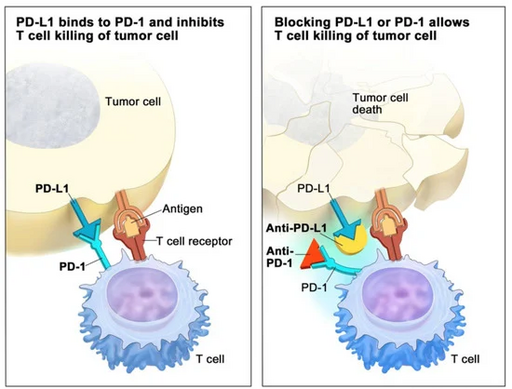
Prototypical in this class is Merck’s blockbuster PD-1 inhibitor, Keytruda (pembrolizumab), which acts to “release the brakes” on the immune system.

On Wednesday, Merck announced that the European Commission approved Keytruda for PD-L1–positive head and neck cancer, following the FDA’s approval for the same indication earlier this year in June.


🔬 What was found?

The decision was based on results from the Phase III KEYNOTE 689 trial, a randomized, active-controlled, open-label study evaluating pembrolizumab in locally advanced head and neck squamous cell carcinoma (HNSCC).

The drug was administered both before and after surgery, in combination with standard of care radiotherapy (with or without cisplatin chemotherapy).

Patients receiving the Keytruda regimen achieved a median event-free survival of 59.7 months compared with 29.6 months in the control group and showed a 30 percent reduction in the risk of recurrence, progression, or death.


💡 Why does it matter?

Merck’s ongoing strategy of expanding combination approvals for Keytruda is clearly paying off.

These results reinforce how PD-1/PD-L1 checkpoint inhibition continues to reshape oncology, improving survival across multiple tumor types — including melanoma, non-small-cell lung cancer (NSCLC), renal cell carcinoma (RCC), HNSCC, and urothelial carcinoma — as well as tissue-agnostic indications such as MSI-H tumors.

Still, immunotherapy is typically effective only in immunologically “hot” tumors (those with high PD-L1 expression), and the development of resistance remains a major challenge. 

Time will tell whether Merck and other companies can continue expanding checkpoint inhibitors across additional cancer types.


🔗 Sources

💉 Could the COVID-19 Vaccine Help Fight Cancer Too?

🧾 What happened?

In addition to halting the pandemic and saving millions of lives, the COVID-19 mRNA vaccines may also have an unexpected benefit in cancer treatment.
An exciting new study led by researchers from MD Anderson Cancer Center and the University of Florida found that mRNA vaccination significantly increased survival in lung and skin cancer patients undergoing immunotherapy.


🔬 What was found?

The study, published this month in Nature, discovered that receiving a SARS-CoV-2 mRNA vaccine within 100 days of starting immune checkpoint inhibitor therapy was associated with substantial improvements in overall survival (OS) in patients with non-small-cell lung cancer (NSCLC) and melanoma.
The findings were based on analysis of more than 1,000 patient records from MD Anderson.

While the results are preliminary, the researchers are now designing a randomized clinical trial to confirm these findings.


💡 So what?

Immunotherapy remains one of the most exciting advances in cancer treatment in recent years, including checkpoint inhibitors (PD-1/PD-L1 inhibitors) and CAR-T therapy.
However, a major limitation of checkpoint inhibitors is that the tumor must be immunologically active, often characterized by high PD-L1 expression.

These new results suggest the possibility of a universal cancer vaccine that could prime the immune system against multiple tumor types.
If confirmed, this research could open entirely new avenues for immunotherapy development and cancer prevention.


🔗 Sources

Dr. Simon Says Science: This Week in Oncology

🧬 Patients with Autoimmunity Respond Better to CAR-T Therapy

Chimeric antigen receptor (CAR-T) cell therapy is a powerful immunotherapy in which autologous (self-derived) T-cells are reprogrammed to attack a patient’s cancer.
Seven CAR-T therapies are currently FDA-approved: three for B-cell lymphomas, one for acute lymphoblastic leukemia (B-ALL), one for mantle cell lymphoma, and two for multiple myeloma. However, side effects, sometimes potentially life-threatening, continue to pose a challenge.

Interestingly, a retrospective study of cancer patients receiving CAR-T therapy found that pre-existing autoimmune disease ((e.g., lupus, rheumatoid arthritis) was associated with less toxicity and shorter hospital stays. Among patients with myeloma, lymphoma, or leukemia, 68% of those with autoimmune disease experienced significant side effects, compared with 79% of patients without autoimmunity.The mean duration of hospitalization was also reduced by 2.1 days for patients with autoimmunity.

The specific mechanism that confers protection is still unknown, but this study confirms that CAR-T therapy is feasible and safe in patients with autoimmune disease and may even support exploration of new therapeutic avenues for this population.


💭 What do you think explains this protective effect?
🧠 Could immune dysregulation actually offer clues to safer, more effective immunotherapies?

🔗 Source: Associations Between Pre-Existing Autoimmunity and Chimeric Antigen Receptor T-Cell Therapy Toxicity for Cancer Treatment
ACR Open Rheumatology, 2025
https://acrjournals.onlinelibrary.wiley.com/doi/10.1002/acr2.70112

🤖 Thermo Fisher Partners with OpenAI to Advance Scientific Breakthroughs

Thermo Fisher Scientific, the Massachusetts-based global leader in analytical instruments, diagnostics, clinical solutions, and laboratory, pharmaceutical, and biotechnology services, has announced a partnership with OpenAI.

Thermo Fisher stated that the collaboration “will help improve the speed and success of drug development” and will be integrated across the company, including its clinical research and drug discovery divisions, among others.

This partnership is another example of how biomedicine is betting big on the promise of AI. For instance, last year Lilly and Novartis entered AI collaborations with Alphabet’s Isomorphic Labs. These initiatives may influence drug discovery, multi-omics analysis, precision medicine, clinical trial design, and more.

Time will tell whether the promise of AI will truly benefit patients, which is ultimately the goal of biopharma, but this new collaboration suggests that Thermo Fisher is betting it will.


💭 What areas of biomedical research do you think AI will impact the most?
🧠 How can biopharma companies leverage AI to improve their businesses?

🔗 Source: Press Release from Thermo Fisher https://newsroom.thermofisher.com/newsroom/press-releases/press-release-details/2025/Thermo-Fisher-Scientific-to-Accelerate-Life-Science-Breakthroughs-with-OpenAI/default.aspx

Dr Simon Says Science: This Week in Oncology

🔬 Tempus AI Awarded $60.5M Contract to Support ARPA-H Precision Oncology Program

Oct 13, 2025

It’s good to see, even amid a government shutdown and a tough landscape for research in general, that some federal programs are still thriving.

Modeled after DARPA’s approach to technology development, ARPA-H is a high-risk, high-reward research framework designed to tackle some of the biggest and most intractable problems in biomedicine.

The Advanced Analysis for Precision Cancer Therapy (ADAPT) program aims to understand how biomarkers change as cancers mutate and to build a repository of tools and resources to better target therapies to these changes.

ARPA-H is now partnering with Tempus AI to leverage the company’s AI-driven tests as part of this effort. Tempus AI already integrates large-scale clinical, molecular, and imaging data with artificial intelligence to produce precision oncology diagnostics that help physicians tailor treatments and accelerate therapeutic discovery.


💭 What are your thoughts on the ARPA-H model compared to more traditional scientific funding mechanisms?
💡 And what other AI-driven innovations show the most promise for advancing precision oncology?

🔗 Source: Tempus AI Awarded $60.5M Contract to Support ARPA-H Precision Cancer Therapy Program

🧬 Patients with Rare Cancers Experience Delays in Treatment

Oct 16, 2025

I cut my teeth in the oncology space studying dysregulated signaling pathways in adrenocortical carcinoma, a rare cancer with a dismal prognosis. To my chagrin, a new report from the American Cancer Society (ACS) reveals that care for rare cancer patients is still lagging.

Pulling data from the National Cancer Database (NCDB), researchers analyzed records from 1,756,944 patients diagnosed with rare cancers in the U.S. between 2015 and 2022—representing about 23.4% of all cancer diagnoses during that period.

More than one-third of these patients did not initiate treatment within 30 days of diagnosis, highlighting a persistent gap in timely care for this population.

While the factors influencing time to treatment are complex, greater adoption of precision oncology diagnostic tools may help bridge this gap, by accelerating and improving diagnosis, identifying targeted treatment options, and matching patients with specific mutations to cutting-edge clinical trials that might otherwise be inaccessible.


💭 How do you think patients with rare cancers can be better served?
🧠 Do you agree that precision oncology tests play a key role in improving care?

🔗 Sources: Individuals With Rare Cancers Present Distinct Diagnosis Patterns; Many Experience Treatment Delays
Abstract, 2025 ASCO Quality Care Symposium

World’s First Vaccine Approved for Honeybees

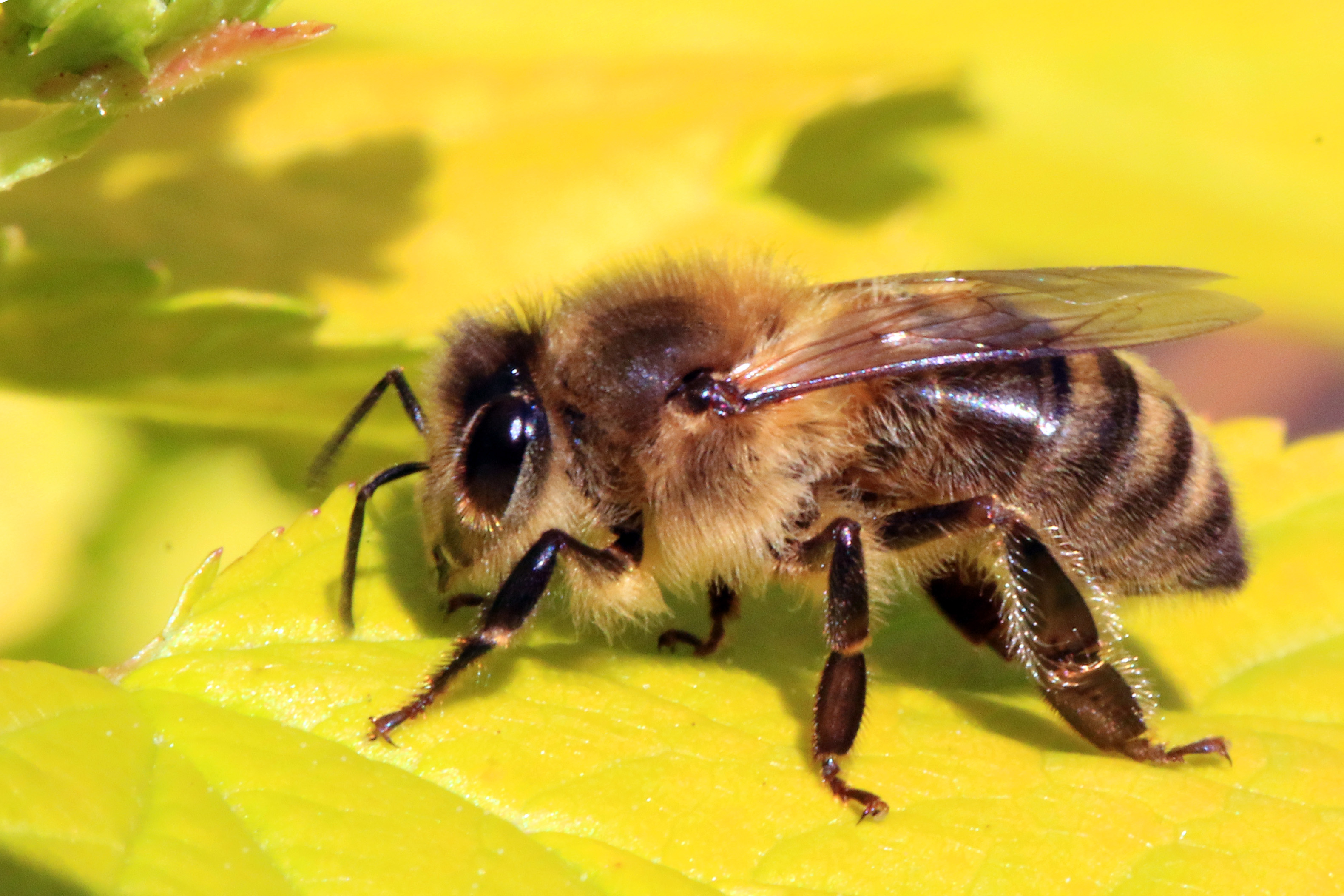
Honey bee (Apis mellifera), Cumnor Hill, Oxford. Source: Wikimedia.

What’s the Buzz all About?

In case you missed this fascinating news, the world’s first vaccine for honeybees has been approved by the U.S. Department of Agriculture (USDA)! Developed by the Georgia-based biotech company Dalan Animal Health, the vaccine targets the destructive American foulbrood bacteria and is administered to the queen as a food (royal jelly). The immunity in the queen is then passed on to all the offspring she produces.


So What?

There is global decline in pollinators. Since 2006, scientists have noticed collapse of honeybee colonies, a problem that still persists now. The USDA estimates that over 100 U.S. grown crops rely on pollinators, such as honeybees . This innovative new technology is a powerful new tool to help protect bee colonies and other pollinators. The technology has implications for fighting other pathogens in bees, or might even be adaptable to other insect species. 

Can Insects Help Save the World?

The world population is predicted to reach 9.8 billion people by 2050. Try to visualize all those people…and all those mouths. Can we make enough food to feed everyone, especially when we can’t even feed everyone right now (it’s estimated 828 million went hungry in 2021)?

Human-caused climate change is also predicted to cause sea level rise of a foot by 2050. While this doesn’t sound like much, the costs are predicted to be in the billions, not to mention the cost to human lives. And sea level rise is only one of a host of potential causes from climate change, including an even more dire food security situation. And the impacts of climate change impacts will only get worse unless we do something about it NOW.

This could be the world’s coastlines in a few decades. Photo credit: Kelly Sikkema Unsplash.

2050 is not that far off and things can only get worse for the future if we don’t do something about it now. Wouldn’t it be great if there was a way to help solve both problems at once…? 

Surprise, there very well might be 🙂 Insects are an underutilized food source (for both humans and animals) with a ton of potential benefits: environmental, nutritional, economic, and social. 

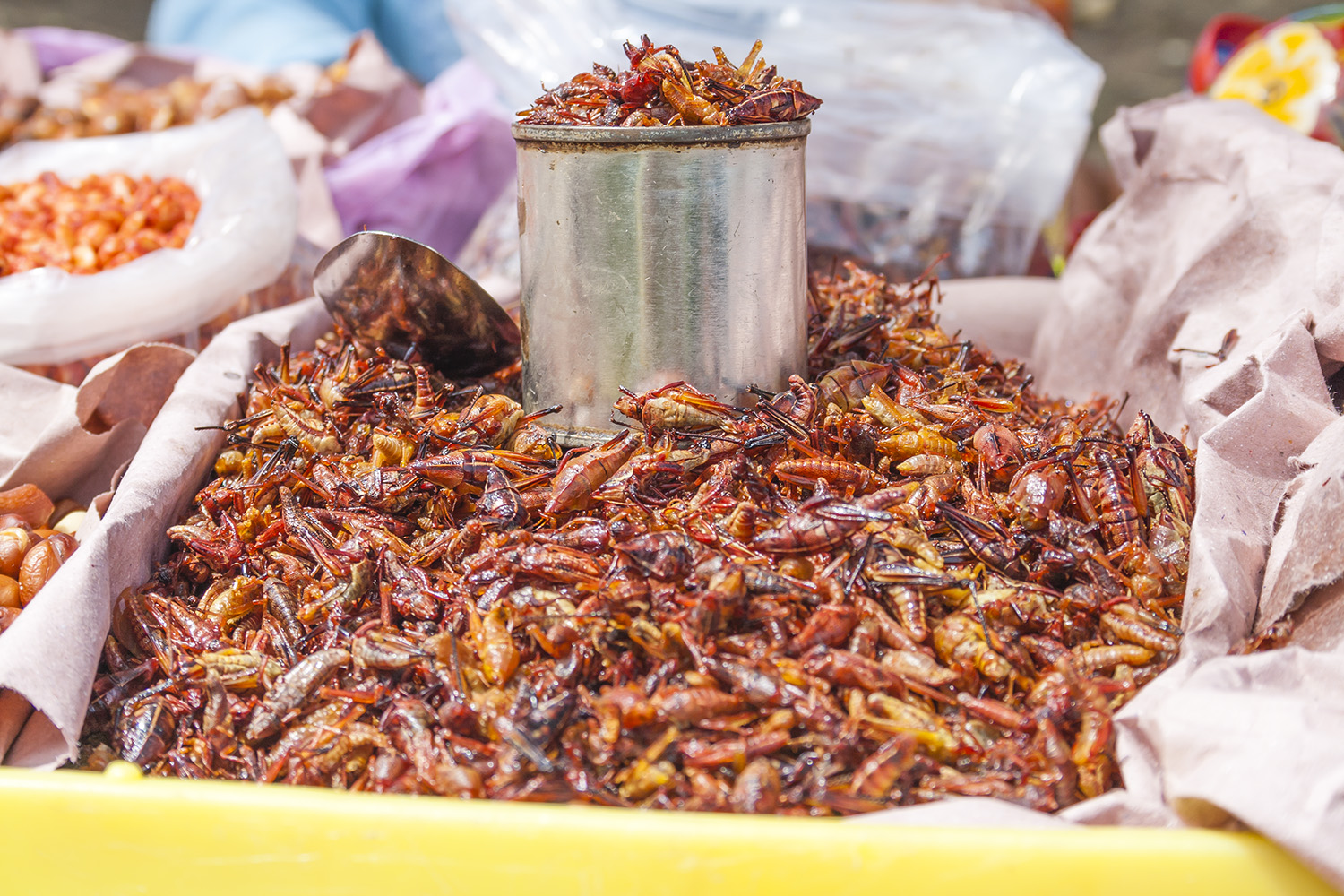
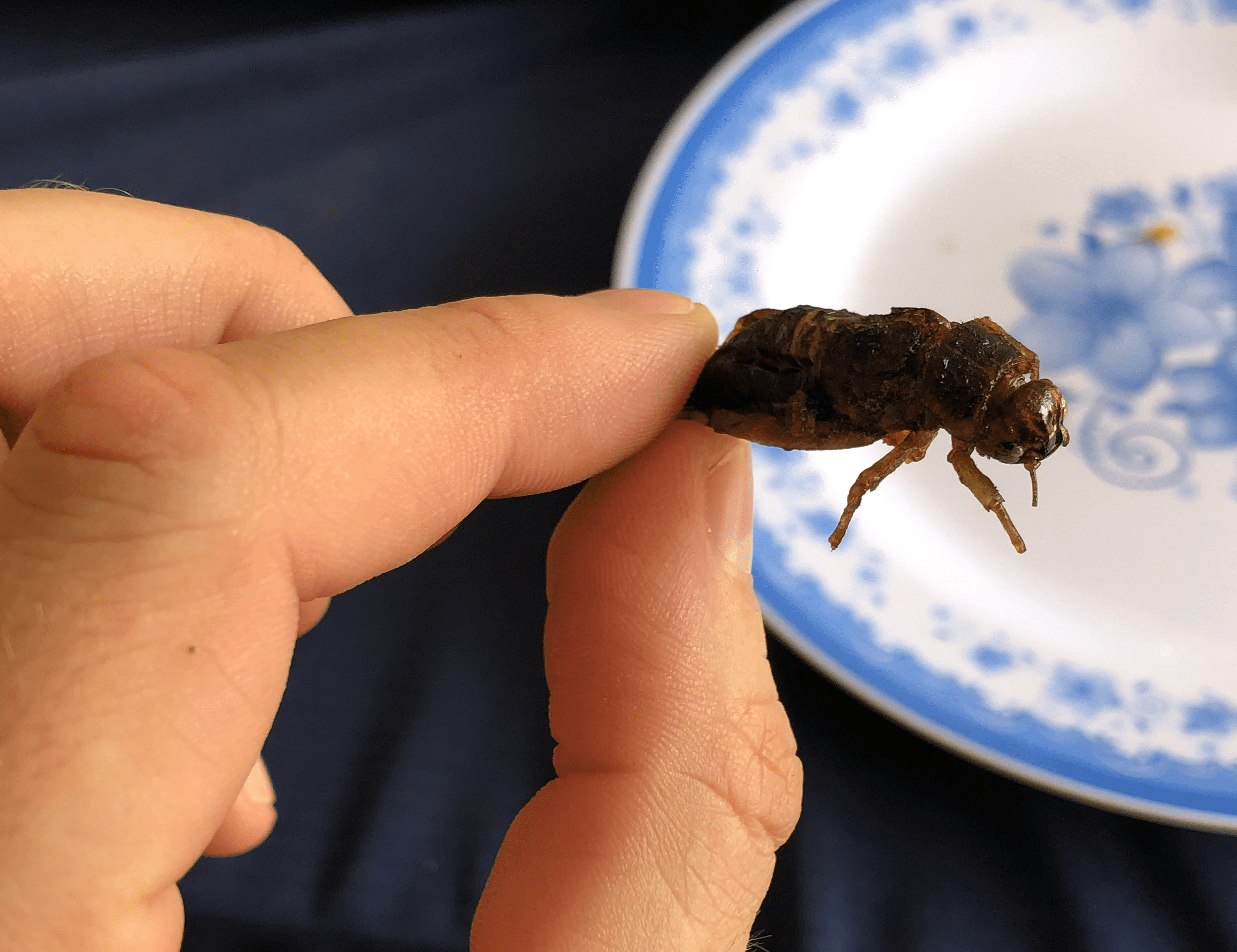
“Insects as food”, or entomophagy, which literally means  “the eating of insects” (ento = insect, phagy = to eat), is certainly novel to Europe and the U.S. But if you live in countries in Africa, South East Asia or many other places entomophagy is nothing new. If you’re from Thailand or Cambodia, you may be used to chomping on some fried crickets, or if you’re Mexican, chapulines (grasshoppers) may be something that’s familiar (and delicious) to you. It’s estimated that currently some 2 billion people eat insects for food every year, and over 1,900 species have been documented as edible.

Chapulines for sale in Mexico. Photo credit: Wikimedia.

So what’s all the buzz about (don’t worry, plenty more bad bug puns to come lol)? And if eating insects for food is so widespread, why are people just talking about this now? Why do I think insects as food can help save the world?

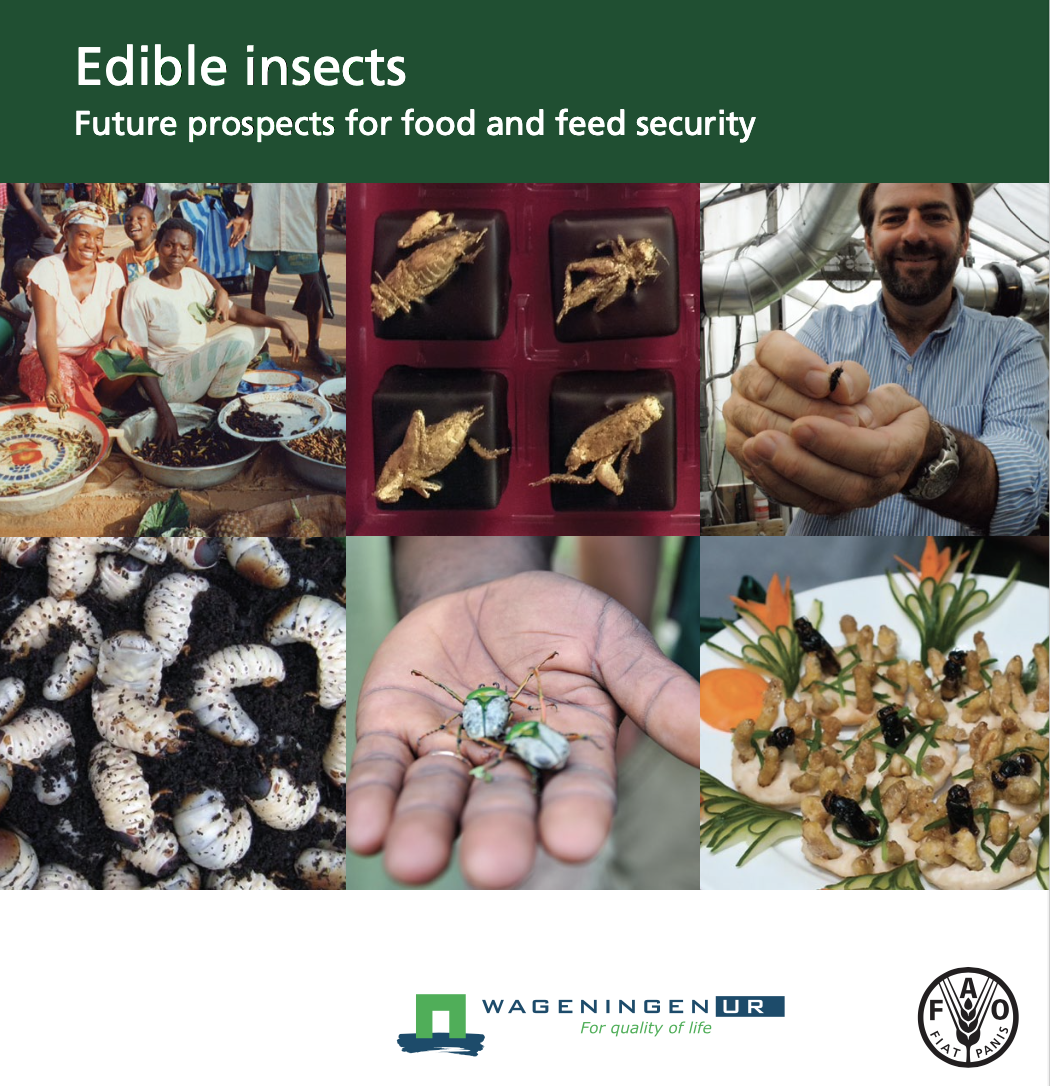
Insects may be a climate-friendly, healthy, and safe alternative livestock (yup, as in alternative to cows, pigs, chickens, and fish). In 2013, the Food and Agriculture Organization (FAO), entitled “Edible insects: Future prospects for food and feed security.”  In my opinion, this report can be considered one of the most significant efforts to introduce the very real concept of “insects as food and feed” to a global audience. The report is comprehensive of all the research and knowledge on insects as food and for use as animal feed and covers almost all angles from nutritional, economic, environmental, regulatory, and more (there has been a surge of new research in this area since first publication of the report but a lot of the conclusions are still valid).

The cover of the FAO report.

Just a few highlights taken directly from the report and other studies (I’ll spend future posts doing a deeper dive into the evidence behind these issues. This is just an intro after all):

Environmental Benefits

  • Lower environmental impact of raising insects compared to traditional livestock.
    • Lower feed to protein conversion ratio – more weight gain/amount of feed.
      • Insects are cold-blooded and this means that insects are extremely efficient at converting feed to body mass. For example, on average, insects can convert 2 kg of feed into 1 kg of insect mass, whereas cattle require 8 kg of feed to produce 1 kg of body weight gain.
    • Lower green-house gas (GHG) emissions than traditional livestock.
    • Lower water requirements than traditional livestock.
    • Insect farming is less land-dependent – insects can be raised vertically, thus maximizing land use.
  • An important component of a circular economic model.
    • Globally, >1/3 of the food is lost or wasted, resulting in an economic loss of $1 trillion USD, and contributing to 10% of GHG emissions. Food waste ends in landfill rotting and emitting the potent harmful GHG methane. Insects can be raised on plant and food waste and unsafe food/the inedible portion of the food, thus simultaneously reducing the environmental impact of food waste and producing a useful commodity. 
    • For example, black soldier fly (BSF)  larvae  (BSFL) raised on food and other organic waste can then be used as animal feed or processed as food. In 2019, a company in Ecuador produced the largest plant in Latin America to use BSFL larvae to produce animal feed and fertilizer.

Economic Benefits

  • Large potential for growth.
  • Opportunities to strengthen small holder farmers and local supply chains.
    • Insects can be produced locally as animal feed (both for livestock and aquaculture) thus reducing dependence on costly, international supply chains and markets for animal feed. This also creates economic opportunities for smallholder farmers.

Nutritional and Health Benefits

  • Insect protein can be a healthy, cheap alternative to meat.
    • Insects are higher in edible protein by mass than traditional livestock, and they are rich in nutrients and vitamins.
    • For example, cricket protein has higher levels of iron, calcium, zinc, manganese, and B vitamins than most other meat-based protein sources and these are especially essential for women of reproductive age and young children. 
  • Insect protein powder can be produced as a nutritional supplement or added to other low-protein or processed foods.
    • Insects may be particularly important as a food supplement for undernourished children because most insect species are high in fatty acids, fiber, and  micronutrients (copper, iron, magnesium, manganese, phosphorus, selenium and zinc).
  • Insects pose a low risk of transmitting diseases spread from animals to humans.

Social and Livelihoods Benefits

  • Improved livelihoods.
    • Insect farming can provide entrepreneurship opportunities in developed and developing economies. The technical requirements and capacity for starting an insect farm are relatively minimal and can be done in locally, which makes it accessible to many people, including those in agriculture-poor areas.
    • Insect gathering and rearing can offer an important livelihood diversification strategy. For example, insects can be directly and easily collected in the wild and sold to buyers.
  • Creates economic opportunities, both as entrepreneurs and employees, for women, youth, individuals with disabilities  and other marginalized groups.
    • Insect agricultural work is less time and labor-intensive than traditional agriculture which means practically anyone can start an insect startup. This presents opportunities to engage with women and other groups marginalized from formal economic sectors.

Clearly there’s a lot of good to raising insects for food and feed, even in addition to fighting nutrition and climate change! So what do you think about edible insects now? Been bitten by the bug yet? Have I whet your appetite for creepy crawlies enough to want to learn more?

Just to ground-truth things a bit as well. While the pro-insect arguments are compelling, there are a number of outstanding questions that need to be considered. For example, how do we get past the “Yuck!” factor?  How do we efficiently and effectively produce edible insects so that they can have the maximal amount of environmental, health, and economic benefits? Can (or should) we raise insects on an industrial scale and if we do, have we learned from our mistakes with traditional livestock? These (and many others) are important questions that I don’t think we have the answers to yet.

Also the reality is I don’t ever anticipate edible insects completely replacing meat. I personally love meat and fish and wouldn’t want to be deprived of them forever. You can imagine a future dinner in a week being a mix of different protein sources. For example, eating chicken, pork, or beef 2 nights, fish 1 night, lab-based meat substitute 1 night, insect-based protein 1 night, and vegetable or plant-based protein 2 nights. We can still enjoy meat but we need to drastically reduce consumption of it and introduce other more sustainable alternatives, like edible insects. This type of diverse diet is not very common right now but I still think it’s a good idea for a better world!

But back to the title of this post: can insects really help save the world? Maybe, but not definitely not by themselves. When it comes to combating climate change, hunger, poverty, inequality and all the rest of the world’s ills, a silver bullet simply doesn’t exist. What we need is a silver bullet machine gun! Insects as food and feed may just be one of the many silver bullets we use. My next few posts will take a look at why and how in greater detail. Until then, the ants go marching 2 by 2, hurrah, hurrah…

Welcome to Dr. Simon Says Science (And MORE)

There’s a lot of darkness in the world right now. There seems to be an endless supply of conspiracy theories, fringe ideas become centered, urgent issues being ignored, and evidence and reason that is denounced and derided. What is the response to this? Cynicism? “The world is doomed so who cares anyways.” Blind optimism and the hope that things will just work out? Ostriching? That is, sticking your head in the sand and pretending the problem will go away? No to all of these.

The answer is the same as for any challenge: hard work and steady, incremental change. When you’re stuck in a hole do you bury yourself? No, you climb out! And the only way to counter bad ideas is with good ideas. Good ideas is our way out of the hole we’re in.

Good ideas tend to create more! Photo credit: Pexel

That’s what I want to do here. Share a couple of my favorite “good ideas.” Or least what I see as good idea. Maybe you’ll agree, maybe you won’t, but that’s the fun of free thought. In the end, I want try to make the world a better place for more people, even if it’s just a tiny bit.

Ok, first some background.

My name is Dr. Derek Simon. The “Dr.” is from my Ph.D. in Cellular and Molecular Biology, which I earned from the University of Michigan in 2013. I have always loved science and nature, and I always knew I wanted to be a scientist one day. Hence the title of this blog, “Dr. Simon Says Science (And More).” Get the bad joke? Simon Says… read my blog 🙂

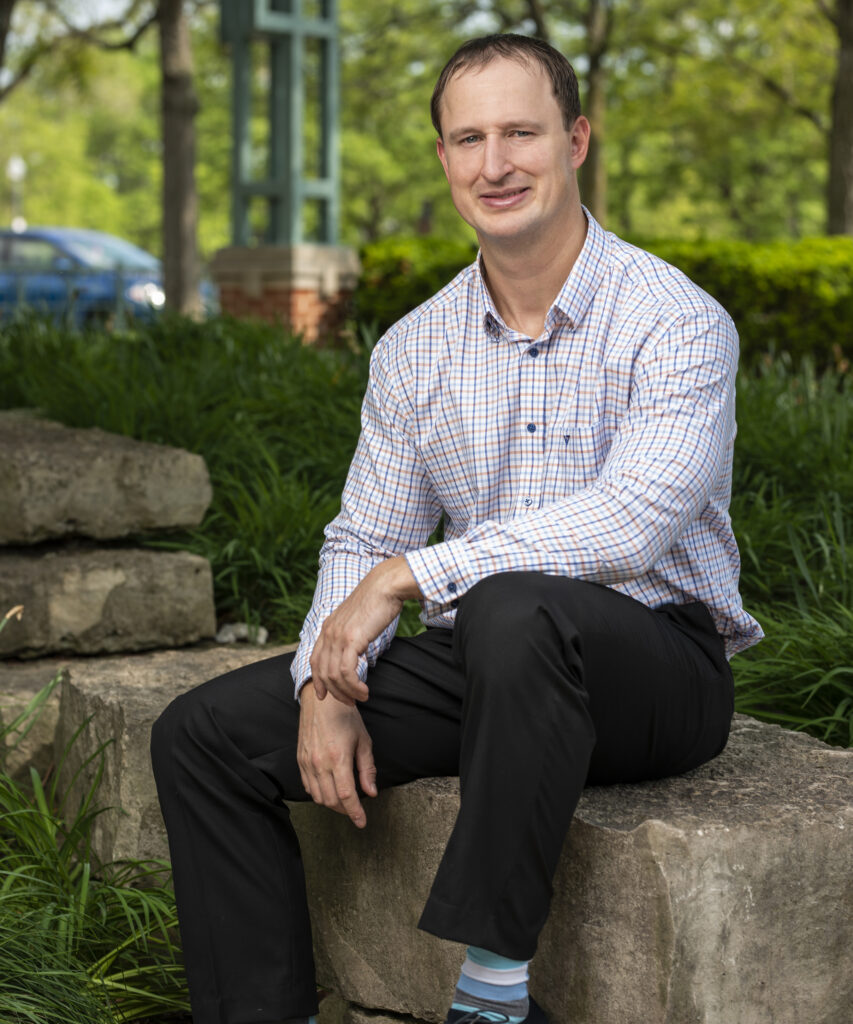
This is me 🙂

I was the type of kid that would spend his summers turning over rocks looking for creepy crawlies underneath, or catching fireflies and frogs and putting them in jars so he could watch and study them. My parents had a video of me when I was seven years old asking me, “Derek, what do you want for Christmas?” I responded with, “A bug kit. And That’s all.” Even back then, we all knew… 

As a youngster I dabbled in nearly all the sciences: geology (trips to rock quarries and an accumulation of 3 huge boxes of rocks that to this day are still in the basement of my parent’s house), chemistry (I started a fire on my kitchen table by mixing two random chemicals together1), entomology (the aforementioned backyard expeditions for bugs), microbiology (culturing bacteria from doorknobs and my dog’s saliva on homemade agar petri dishes), physics (I made a homemade tennis ball launcher in physics club that used lighter fluid as fuel), and more. 

I eventually refined my passion to “curing disease” and discovered cellular and molecular biology, or how life works at the molecular level. I was amazed by the incredible complexity of the cell, and how the vast diversity of biological life, behaviors and structures are all ultimately derived from the same collection of molecules, participating in an insanely complicated molecular dance that has evolved over hundreds of millions of years.

My first lab experience was as freshman in college. Since then, I had been in labs nearly continually up through my post-doctoral work in my early 30s. At various points in my career I studied the endocrinology of aging and prostate cancer, the development and cancer of the adrenal gland, cellular signaling pathways in cancer, and most recently the neuroscience of drug addiction at the Rockefeller University. = But truth be told, I don’t do this type of science anymore. 

A few years ago I hit the wall in academia. As a kid, I thought “curing disease” was just finding that one magic pill through mixing stuff together at random until…“Eureka!” Oh, how wrong I was. As a real scientist, I learned how much work (just to be clear, oftentimes incredibly repetitive and tedious work) it takes to even figure out something tiny. As a grad student, I would make the joke that “if A is the discovery of something new, like a novel molecule or gene, and M was the drug given to a patient to treat their disease, your entire thesis project might take you from C to D, maybe to E if you were lucky…”

As you can imagine, after over 10 years “at the bench” as we say, I got burned out by doing the type of research I was doing and no longer felt the passion for the work. To me, moving from C to D didn’t feel like accomplishing anything or helping anyone. Though I still believe strongly in basic research in general. There are so many dedicated, hard-working scientists that make unseen contributions to our world everyday, but for me, I didn’t want that life anymore. 

So I looked for a different path. 

The one I found was a fellowship through the American Association for the Advancement of the Sciences (AAAS; they also publish the journal Science, by the way) and somehow wound up at the United States Agency for International Development (USAID). I could not be farther from my field but I loved the work anyway.

Five years later I am still working as a contractor for USAID (honestly, I’m ready for another change) but through my diversity of experiences on this new path, my passions have spanned in so many different and unexpected directions. I am thankful I made that unplanned transition because I have been exposed now to a whole constellation of amazing ideas that never would have occurred to me on a more traditional scientific path.

Some of those ideas could very well help save the world one day.

That’s what this blog is about: ideas on cool and interesting things that I think may help to make the world a better place.2 My goal for this blog is to simply share a few of my favorite ideas that are not necessarily in the mainstream right now but I think could have a real potential to help the world in the future. And most importantly, I want to discuss the data and research behind them: why do I think these are good ideas and what is the evidence for that?

Photo credit: Mikhail Nilov

I have so many interests in so many areas but I will mostly stay within my past and present fields: the biomedical sciences and international development. I will try to be focused on topics within these very deep buckets while at the same time remaining flexible to write about anything cool I happen to stumble across (tech, psychology, philosophy, so much knowledge out there…). I also don’t plan to claim these ideas as my own, but when it comes to good ideas, the more people talking about them the better!

But before I share a few of the things I may write about, I think I should share some of my values and assumptions. After all, if I’m writing a blog about good ideas to make a better world, how exactly do I define that “better world”?

At the core of my beliefs is that I think all people are equally important and have equal value, regardless of who they are or identify as, where they live, and under what circumstances they were born. I believe all people should have the same right to pursue a life of their choosing and be given the same opportunities and chances for happiness and fulfillment as everyone else. I will make no attempt to prove these values scientifically but this is simply the foundation for the topics I will pursue in this blog. Sadly, I do not think many people in the world explicitly share these values and even worse, some people actively believe in the opposite or promote a world-view that either intentionally or not, is moving us farther from these values. But I don’t care about those people. I’m not going to try to convince anyone about my values. They are are simply my working assumptions for the things I want to talk about: how can we make the world better for everyone? How can we make life on earth (not just for humans either, mind you) more equitable, safe, healthy, peaceful, prosperous, and sustainable?

Ok, so now that’s out of the way: what are some of my ideas?

One of my favorites that I’ll focus on for the first few posts is related to climate change and food security: entomophagy or the eating of insects as food. (ento = insects, phagy = to eat). My passion for bugs continues 30 years later since that Christmas “bug kit” video and my summer bug catching adventures…

Fried crickets from Vietnam. One of many types of edible insects in the world. Photo Credit: © Derek Simon 2020

Now, I’m not the first to argue that eating insects is a great idea. Actually, Medium itself has already curated a bunch of edible insects articles published here. And eating insects itself is hardly a new idea. It’s been practiced by cultures all over the world and throughout human history. What’s “new” about it is making it mainstream. I’ll argue that we should rotate in more insects into our diet, and cut back on environmentally-destructive cattle and pigs.

But that’s just a taste (pun definitely intended) of things to come. I also want to talk about a whole range of issues, many that I’ve worked on directly or indirectly in my career. These include: drug addiction and why it should be treated as a medical ailment and not a criminal disorder (the focus of my old blog posts and some of post-doctoral research), the virtue of the social business model over the standard profit-driven model, the strengths and flaws of international development and how to make it better, and plenty more.

Thanks very much for reaching the end of this and I hope to keep you engaged and learning! After all, anyone who’s alive is still learning; we’re all just figuring it out as we go. I hope you join me on this learning journey as Dr. Simon Says Science (and so much more).

And now, let’s start digging out of that hole we’re in 🙂

© Derek Simon 2022

Endnotes:

  1. I know now that the reaction was potassium permanganate and glycerine, a very intense redox reaction. Actually, I found this video on youtube of it. Isn’t the internet great?
  2. Truth be told, I actually started blogging way back in 2015 or so but gave it up a few years ago. A lot of my old posts were on neuroscience, drug addiction, and other topics. You can still find them in my “archive” (i.e. the drop down on the right).