In Defense of USAID, Part 2.
Since I wrote my last article, the indiscriminate gutting of USAID and the Federal government writ large has continued unabated and with reckless abandon for costs and consequences. I know many friends and former colleagues that have lost their jobs— people that are kind, intelligent, hard-working, and dedicated to the public good, not “corrupt” or “lazy” as Elon Musk would have you believe. But then again Mr. Musk doesn’t care about the fate of government workers or any of the good that USAID did because he believes “The fundamental weakness of Western civilization is empathy” as he said in an interview with Joe Rogan on Feb 28, 2025. Makes sense, because destroying USAID will literally kill people, and only someone devoid of empathy could possibly be ok with that.
The real cost to the death of USAID and American goodness abroad will be measured in bodies. This is not exaggeration or metaphor, I am being as literal as I can possibly be. Cutting USAID will kill people–IS killing people—and the most likely culprit is HIV/AIDS.
There are a million examples of foreign aid programs doing good things: nutrition and food programs to fight famines, disaster recovery after a tsunami or earthquake, supporting refugee camps for those fleeing war, water and sanitation programs, programs combating gender-based violence, programs improving schools and hospitals, and so many more. I am going to focus on the biggest and probably the most successful foreign aid program in history – the President’s Emergency Fund for AIDS Relief or PEPFAR.
PEPFAR is a massive program that has saved 25 million lives from HIV over the last 20 years. While the program encompasses several agencies including the Department of State, the Centers for Disease Control and others, USAID is the primary implementer of the program. As one global health expert said, the loss of funding for program “will be a bloodbath.”
PEPFAR was created in 2003 under the George W. Bush Administration. In the 90s and early 2000s, HIV was a true pandemic that rampaged across the globe. New antiviral treatments and public health campaigns combating the virus had huge benefits to fighting the disease in the U.S., but for lower income countries, the virus was left virtually unchecked, for example, killing tens of millions in Africa. As American lives and treasure were wasted in the middle-East wars fueled by post-9-11 hysteria, the Bush Administration at least recognized the benefits of foreign aid in promoting American values (this is a perfect example of the contradictions of U.S. foreign policy I alluded to in the last article). Bush signed the United States Leadership Against HIV/AIDS, Tuberculosis, and Malaria Act of 2003 on May 27, 2003, created PEPFAR (as well as programs for countering tuberculosis and malaria).
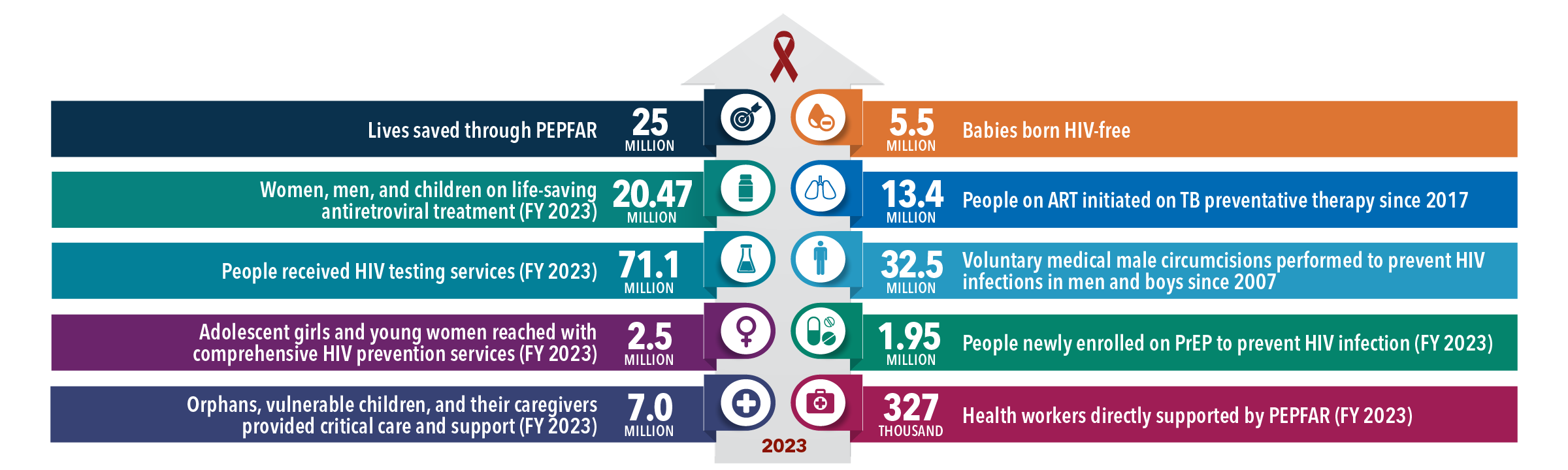
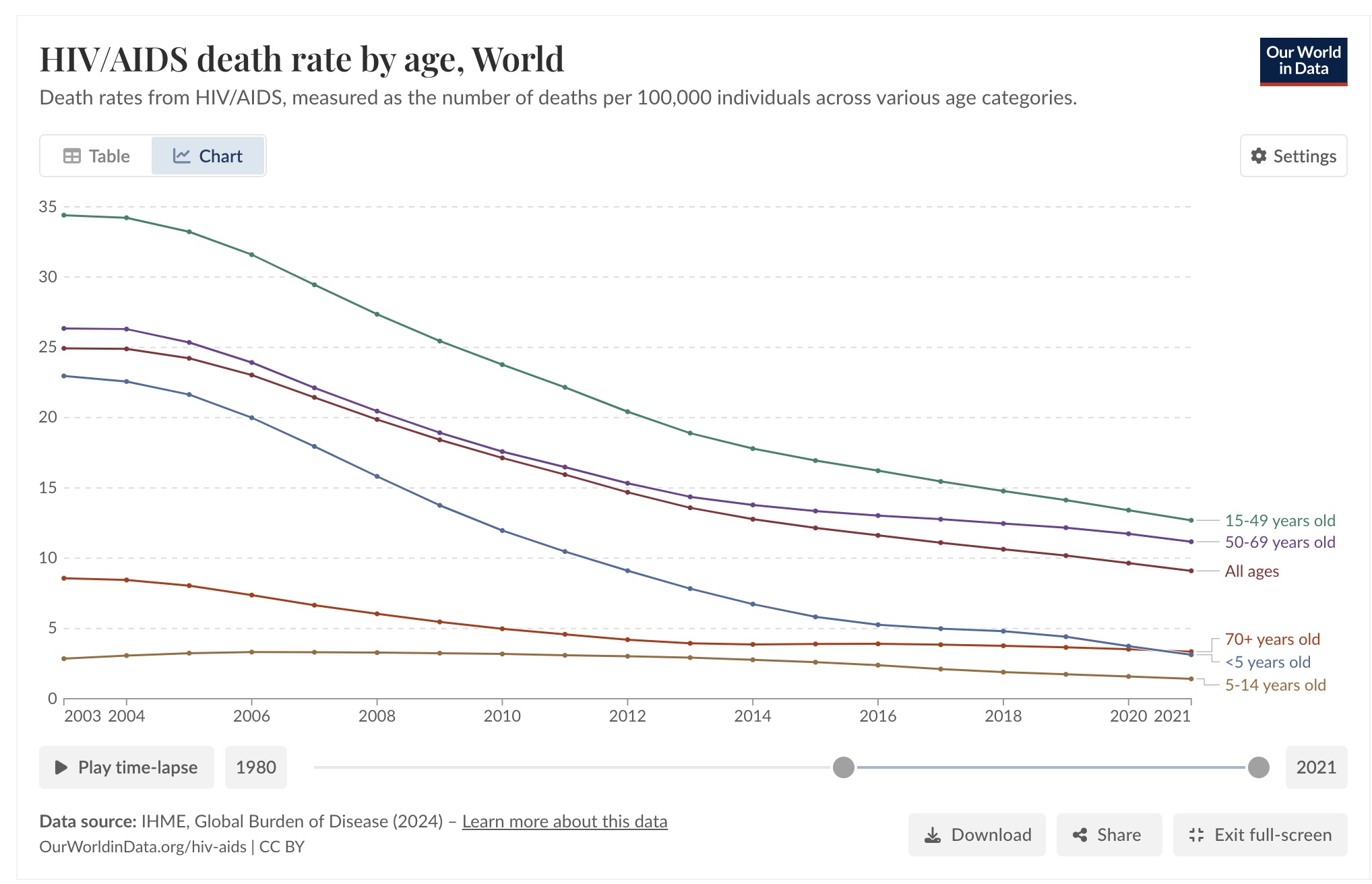
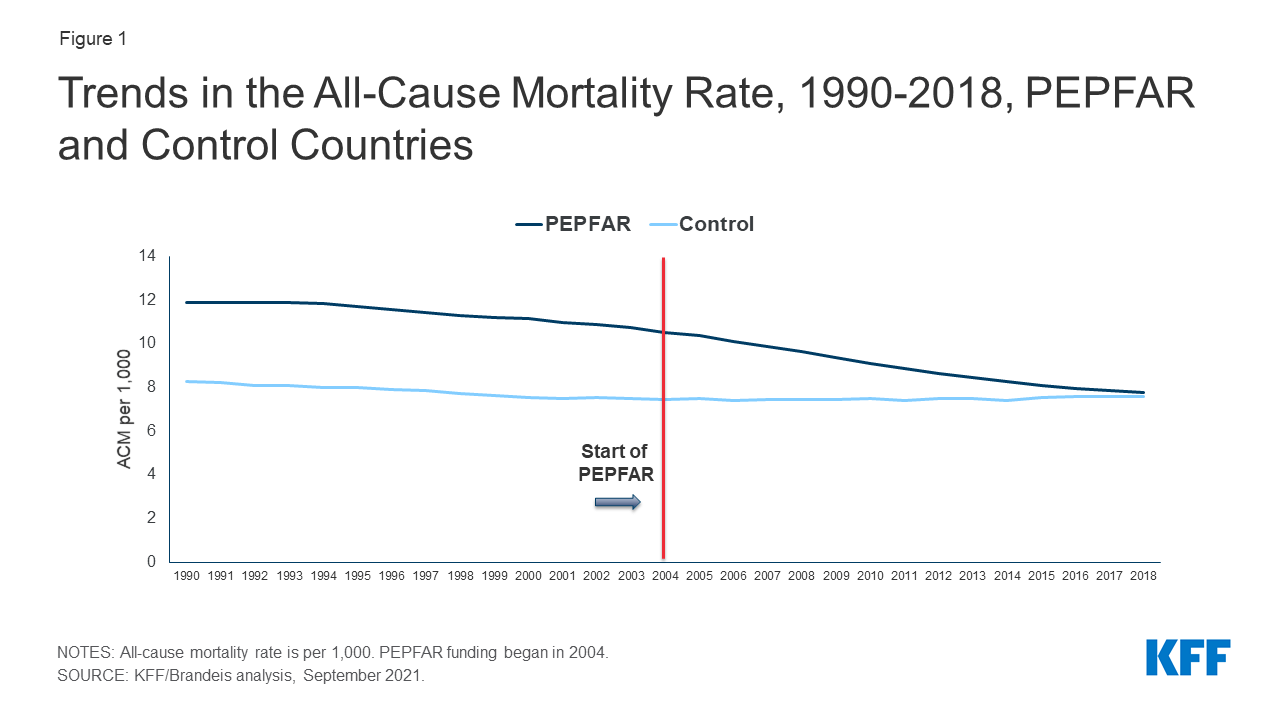
PEPFAR has been an unambiguous success (and used to have wide-spread bipartisan support) and helped change the trajectory of the disease. There has been a 39% decline in new HIV infections since 2010 and AIDS-related deaths have been reduced by 69% since the peak in 2004 and by 51% since 2010. The drop in HIV infections in Africa has largely been credited to USAID‘s stewardship of the program. Indeed, countries that have received PEPFAR aid have lower mortality rates compared to non-PEPFAR countries, providing strong evidence that the program DOES work.
For the cynics out there, what do we get out of it? Besides that obvious, that PEPFAR’s efforts have led to a significant reduction in new HIV infections globally, decreasing the likelihood of the virus spreading and worsening the situation in the United States, many economic benefits have been documented. For example, PEPFAR funding has been associated with increased employment, particularly among males in sub-Saharan African countries, contributing to economic growth and stability. Further, healthier populations in Africa have led to more robust economies, creating new markets for U.S. exports and fostering economic partnerships. But I don’t want to spend draw out this line of thinking because personally, I think saving 25 million lives is justification enough for the program. I wonder if Mr. Musk would agree.
The USAID stop work order and dismantling of the agency have already caused disruptions and threaten to undo the decade of progress in fighting the forgotten pandemic. In 2024, more than 20 million people were receiving HIV treatment through PEPFAR and nearly 84 million tested for HIV. Many countries, especially in Africa, lack the funding to cover HIV treatments and testing, hence why the generosity of the US and other nations is so important. The sudden cessation of funding has had an immediate impact as HIV testing and treatment centers are already closing and patients are no longer receiving their life-saving medications. One estimate says as many as 1,650,000 people could die within a year without American foreign aid for H.I.V. prevention and treatment.
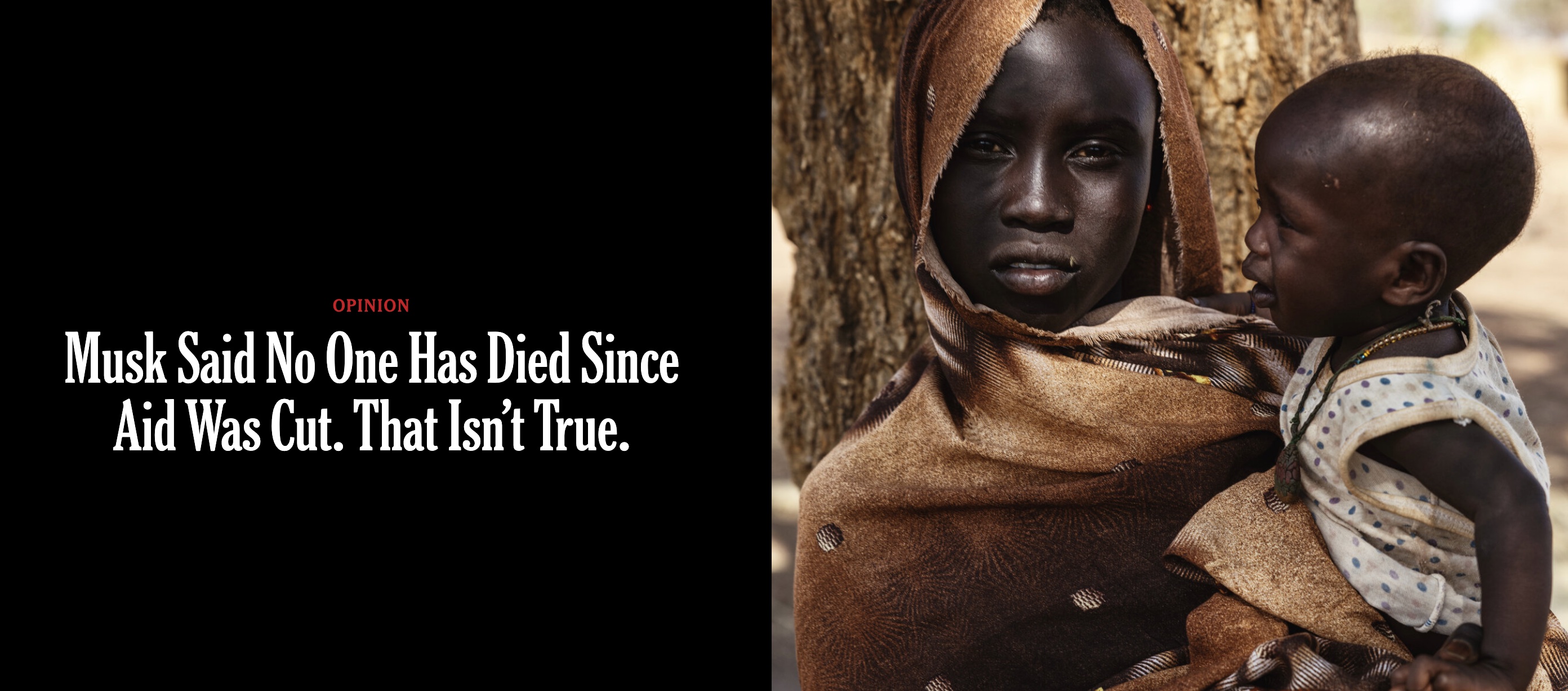
Mr. Musk claimed that not a single life has been lost. The New York Times posted an analysis of how wrong this is. The article opens with the story of 10-year old Peter Donde who had died since he was unable to get his HIV medications. I’ll quote part of the article here:
Peter Donde was a 10-year-old infected with H.I.V. from his mother during childbirth. But American aid kept Peter strong even as his parents died from AIDS. A program started by President George W. Bush called PEPFAR saved 26 million lives from AIDS, and one was Peter’s.
Under PEPFAR, an outreach health worker ensured that Peter and other AIDS orphans got their medicines. Then in January, Trump and Musk effectively shuttered the U.S. Agency for International Development, perhaps illegally, and that PEPFAR outreach program ended. Orphans were on their own.
Without the help of the community health worker, Peter was unable to get his medicines, so he became sick and died in late February, according to Moses Okeny Labani, a health outreach worker who helped manage care for Peter and 144 other vulnerable children.
The immediate cause of death was an opportunistic pneumonia infection as Peter’s viral load increased and his immunity diminished, said Labani.
“If U.S.A.I.D. would be here, Peter Donde would not have died,” Labani said.
This is just one life tragically and unnecessarily lost because of Mr. Musk and Mr. Trump’s actions. The true impact on human life may not be known for many years but there will be many, many more stories like Peter’s. Ironically, the loss of funding will hit Musk’s home country of South Africa particularly hard. One HIV expert said “I predict a huge disaster” in regards to the rise of infections and deaths there. Global Health used to be an issue of bi-partisan support. What congressman doesn’t love to brag about saving lives? But now Mr. Trump’s stronghold has forced his party to abandon their values, if they had any to begin with.
Mr. Musk, you killed Peter Donde. How many more will die because of your actions?
 Dr. Simon Says Science (And More)