💉 Merck Clinches Another Approval for Its PD-1 Inhibitor Keytruda in Head and Neck Cancer
🧾 What happened?
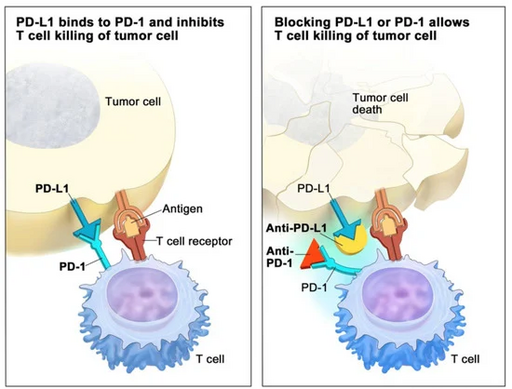
Immunotherapy remains one of the most promising advances in cancer therapy over the past decade. Prototypical in this class is Merck’s blockbuster PD-1 inhibitor, Keytruda (pembrolizumab), which acts to “release the brakes” on the immune system.
On Wednesday, Merck announced that the European Commission approved Keytruda for PD-L1–positive head and neck cancer, following the FDA’s approval for the same indication earlier this year in June.
🔬 What was found?
The decision was based on results from the Phase III KEYNOTE 689 trial, a randomized, active-controlled, open-label study evaluating pembrolizumab in locally advanced head and neck squamous cell carcinoma (HNSCC).
The drug was administered both before and after surgery, in combination with standard of care radiotherapy (with or without cisplatin chemotherapy).
Patients receiving the Keytruda regimen achieved a median event-free survival of 59.7 months compared with 29.6 months in the control group and showed a 30 percent reduction in the risk of recurrence, progression, or death.
💡 Why does it matter?
Merck’s ongoing strategy of expanding combination approvals for Keytruda is clearly paying off.
These results reinforce how PD-1/PD-L1 checkpoint inhibition continues to reshape oncology, improving survival across multiple tumor types — including melanoma, non-small-cell lung cancer (NSCLC), renal cell carcinoma (RCC), HNSCC, and urothelial carcinoma — as well as tissue-agnostic indications such as MSI-H tumors.
Still, immunotherapy is typically effective only in immunologically “hot” tumors (those with high PD-L1 expression), and the development of resistance remains a major challenge.
Time will tell whether Merck and other companies can continue expanding checkpoint inhibitors across additional cancer types.
💉 Could the COVID-19 Vaccine Help Fight Cancer Too?
🧾 What happened?
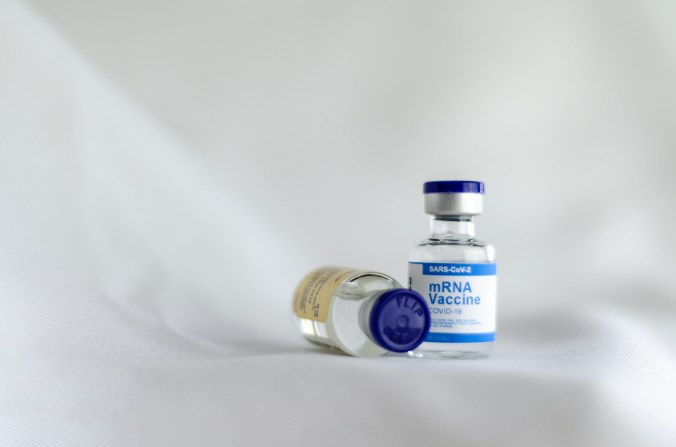
In addition to halting the pandemic and saving millions of lives, the COVID-19 mRNA vaccines may also have an unexpected benefit in cancer treatment. An exciting new study led by researchers from MD Anderson Cancer Center and the University of Florida found that mRNA vaccination significantly increased survival in lung and skin cancer patients undergoing immunotherapy.
🔬 What was found?
The study, published this month in Nature, discovered that receiving a SARS-CoV-2 mRNA vaccine within 100 days of starting immune checkpoint inhibitor therapy was associated with substantial improvements in overall survival (OS) in patients with non-small-cell lung cancer (NSCLC) and melanoma. The findings were based on analysis of more than 1,000 patient records from MD Anderson.
While the results are preliminary, the researchers are now designing a randomized clinical trial to confirm these findings.
💡 So what?
Immunotherapy remains one of the most exciting advances in cancer treatment in recent years, including checkpoint inhibitors (PD-1/PD-L1 inhibitors) and CAR-T therapy. However, a major limitation of checkpoint inhibitors is that the tumor must be immunologically active, often characterized by high PD-L1 expression.
These new results suggest the possibility of a universal cancer vaccine that could prime the immune system against multiple tumor types. If confirmed, this research could open entirely new avenues for immunotherapy development and cancer prevention.
🧬 Patients with Autoimmunity Respond Better to CAR-T Therapy
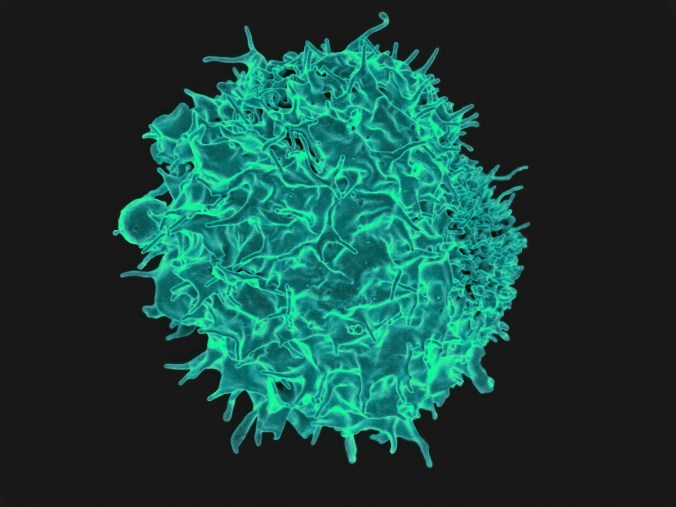
Chimeric antigen receptor (CAR-T) cell therapy is a powerful immunotherapy in which autologous (self-derived) T-cells are reprogrammed to attack a patient’s cancer. Seven CAR-T therapies are currently FDA-approved: three for B-cell lymphomas, one for acute lymphoblastic leukemia (B-ALL), one for mantle cell lymphoma, and two for multiple myeloma. However, side effects, sometimes potentially life-threatening, continue to pose a challenge.
Interestingly, a retrospective study of cancer patients receiving CAR-T therapy found that pre-existing autoimmune disease ((e.g., lupus, rheumatoid arthritis) was associated with less toxicity and shorter hospital stays. Among patients with myeloma, lymphoma, or leukemia, 68% of those with autoimmune disease experienced significant side effects, compared with 79% of patients without autoimmunity.The mean duration of hospitalization was also reduced by 2.1 days for patients with autoimmunity.
The specific mechanism that confers protection is still unknown, but this study confirms that CAR-T therapy is feasible and safe in patients with autoimmune disease and may even support exploration of new therapeutic avenues for this population.
💭 What do you think explains this protective effect? 🧠 Could immune dysregulation actually offer clues to safer, more effective immunotherapies?
🤖 Thermo Fisher Partners with OpenAI to Advance Scientific Breakthroughs
Thermo Fisher Scientific, the Massachusetts-based global leader in analytical instruments, diagnostics, clinical solutions, and laboratory, pharmaceutical, and biotechnology services, has announced a partnership with OpenAI.
Thermo Fisher stated that the collaboration “will help improve the speed and success of drug development” and will be integrated across the company, including its clinical research and drug discovery divisions, among others.
This partnership is another example of how biomedicine is betting big on the promise of AI. For instance, last year Lilly and Novartis entered AI collaborations with Alphabet’s Isomorphic Labs. These initiatives may influence drug discovery, multi-omics analysis, precision medicine, clinical trial design, and more.
Time will tell whether the promise of AI will truly benefit patients, which is ultimately the goal of biopharma, but this new collaboration suggests that Thermo Fisher is betting it will.
💭 What areas of biomedical research do you think AI will impact the most? 🧠 How can biopharma companies leverage AI to improve their businesses?
🔬 Tempus AI Awarded $60.5M Contract to Support ARPA-H Precision Oncology Program
Oct 13, 2025
It’s good to see, even amid a government shutdown and a tough landscape for research in general, that some federal programs are still thriving.
Modeled after DARPA’s approach to technology development, ARPA-H is a high-risk, high-reward research framework designed to tackle some of the biggest and most intractable problems in biomedicine.
The Advanced Analysis for Precision Cancer Therapy (ADAPT) program aims to understand how biomarkers change as cancers mutate and to build a repository of tools and resources to better target therapies to these changes.
ARPA-H is now partnering with Tempus AI to leverage the company’s AI-driven tests as part of this effort. Tempus AI already integrates large-scale clinical, molecular, and imaging data with artificial intelligence to produce precision oncology diagnostics that help physicians tailor treatments and accelerate therapeutic discovery.
💭 What are your thoughts on the ARPA-H model compared to more traditional scientific funding mechanisms? 💡 And what other AI-driven innovations show the most promise for advancing precision oncology?
🧬 Patients with Rare Cancers Experience Delays in Treatment
Oct 16, 2025
I cut my teeth in the oncology space studying dysregulated signaling pathways in adrenocortical carcinoma, a rare cancer with a dismal prognosis. To my chagrin, a new report from the American Cancer Society (ACS) reveals that care for rare cancer patients is still lagging.
Pulling data from the National Cancer Database (NCDB), researchers analyzed records from 1,756,944 patients diagnosed with rare cancers in the U.S. between 2015 and 2022—representing about 23.4% of all cancer diagnoses during that period.
More than one-third of these patients did not initiate treatment within 30 days of diagnosis, highlighting a persistent gap in timely care for this population.
While the factors influencing time to treatment are complex, greater adoption of precision oncology diagnostic tools may help bridge this gap, by accelerating and improving diagnosis, identifying targeted treatment options, and matching patients with specific mutations to cutting-edge clinical trials that might otherwise be inaccessible.
💭 How do you think patients with rare cancers can be better served? 🧠 Do you agree that precision oncology tests play a key role in improving care?
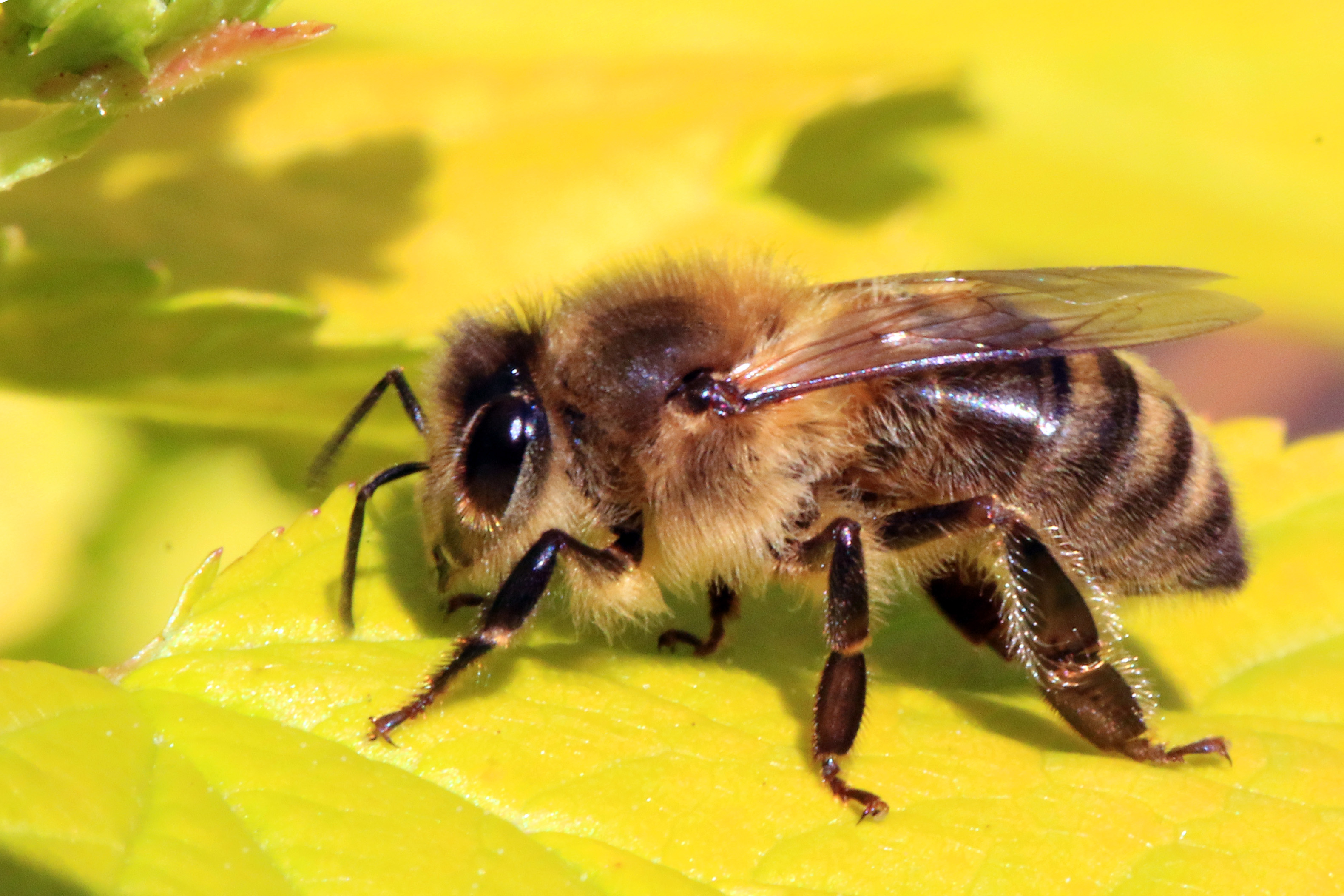
Honey bee (Apis mellifera), Cumnor Hill, Oxford. Source: Wikimedia.
What’s the Buzz all About?
In case you missed this fascinating news, the world’s first vaccine for honeybees has been approved by the U.S. Department of Agriculture (USDA)! Developed by the Georgia-based biotech company Dalan Animal Health, the vaccine targets the destructive American foulbrood bacteria and is administered to the queen as a food (royal jelly). The immunity in the queen is then passed on to all the offspring she produces.
So What?
There is global decline in pollinators. Since 2006, scientists have noticed collapse of honeybee colonies, a problem that still persists now. The USDA estimates that over 100 U.S. grown crops rely on pollinators, such as honeybees . This innovative new technology is a powerful new tool to help protect bee colonies and other pollinators. The technology has implications for fighting other pathogens in bees, or might even be adaptable to other insect species.
The world population is predicted to reach 9.8 billion people by 2050. Try to visualize all those people…and all those mouths. Can we make enough food to feed everyone, especially when we can’t even feed everyone right now (it’s estimated 828 million went hungry in 2021)?
Human-caused climate change is also predicted to cause sea level rise of a foot by 2050. While this doesn’t sound like much, the costs are predicted to be in the billions, not to mention the cost to human lives. And sea level rise is only one of a host of potential causes from climate change, including an even more dire food security situation. And the impacts of climate change impacts will only get worse unless we do something about it NOW.
This could be the world’s coastlines in a few decades. Photo credit: Kelly Sikkema Unsplash.
2050 is not that far off and things can only get worse for the future if we don’t do something about it now. Wouldn’t it be great if there was a way to help solve both problems at once…?
Surprise, there very well might be 🙂 Insects are an underutilized food source (for both humans and animals) with a ton of potential benefits: environmental, nutritional, economic, and social.
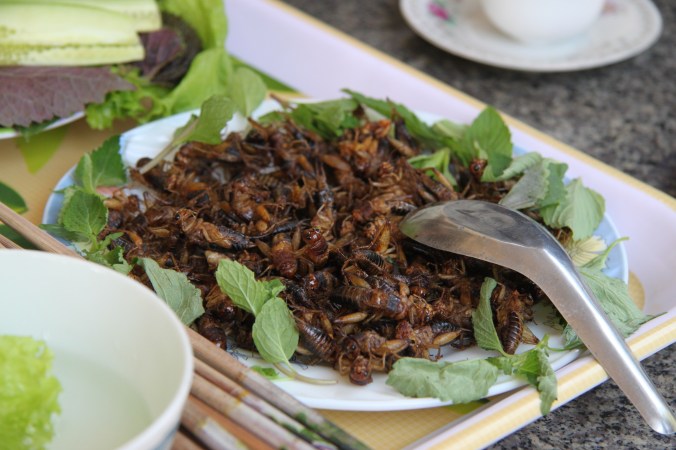
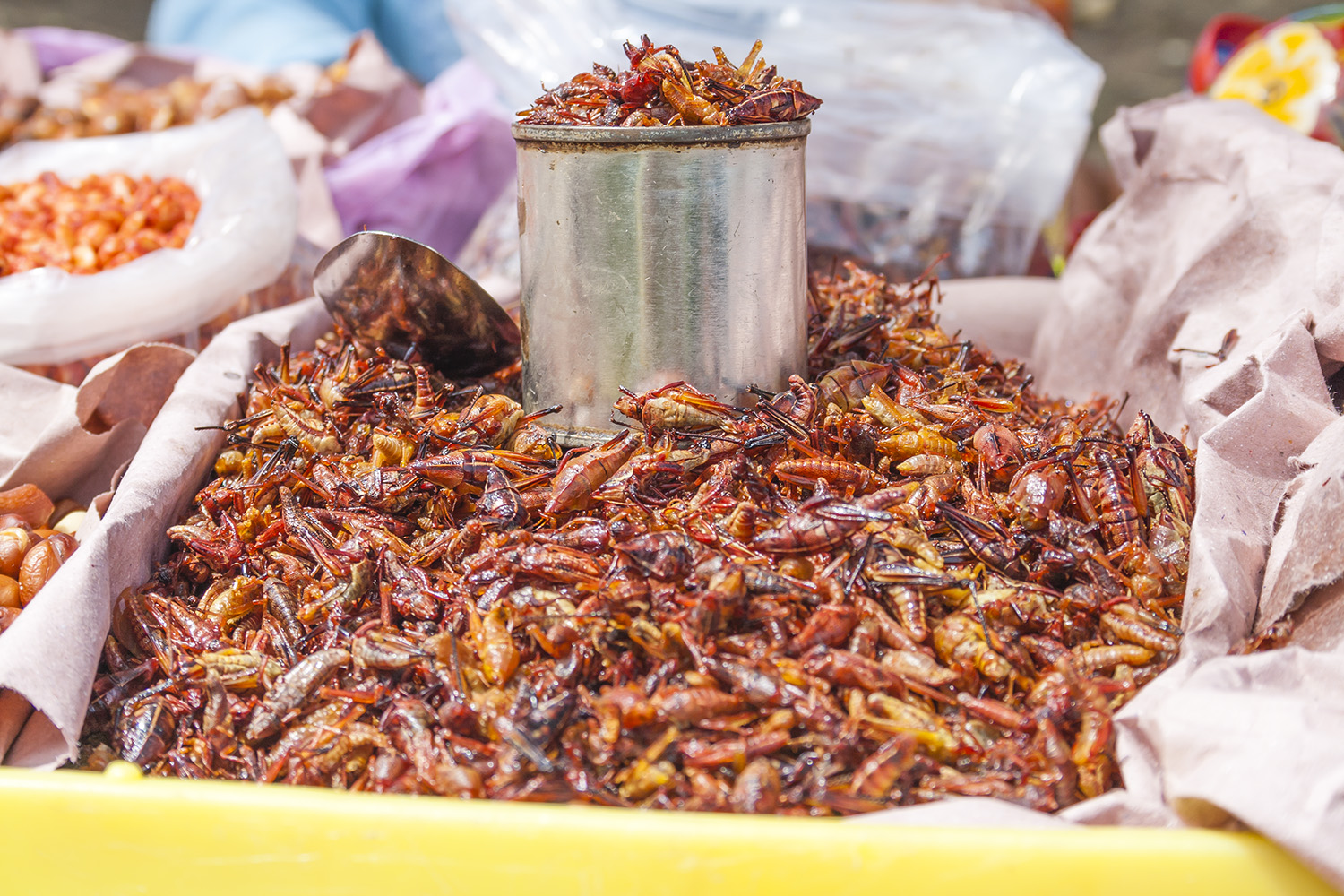
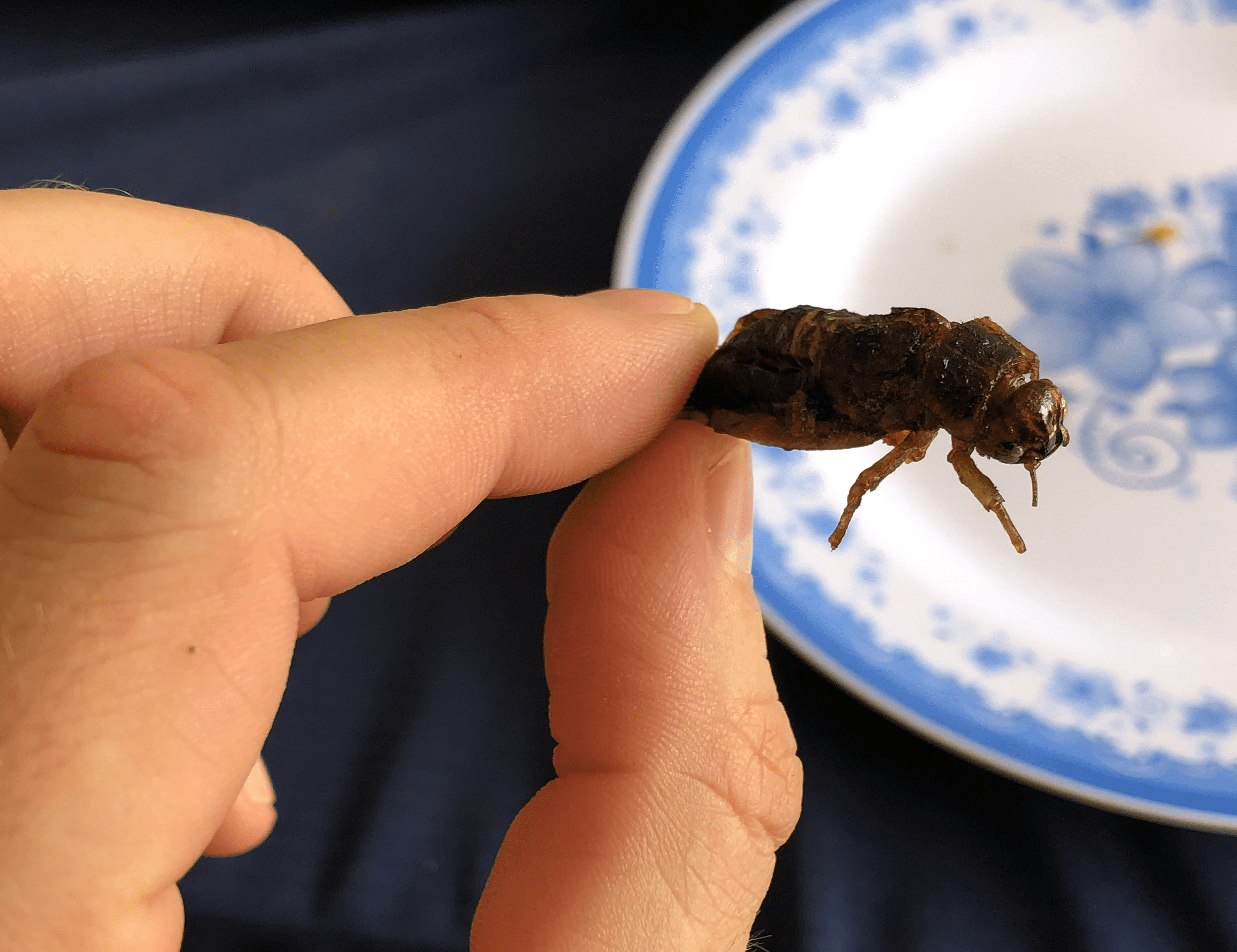
“Insects as food”, or entomophagy, which literally means “the eating of insects” (ento = insect, phagy = to eat), is certainly novel to Europe and the U.S. But if you live in countries in Africa, South East Asia or many other places entomophagy is nothing new. If you’re from Thailand or Cambodia, you may be used to chomping on some fried crickets, or if you’re Mexican, chapulines (grasshoppers) may be something that’s familiar (and delicious) to you. It’s estimated that currently some 2 billion people eat insects for food every year, and over 1,900 species have been documented as edible.
Chapulines for sale in Mexico. Photo credit: Wikimedia.
So what’s all the buzz about (don’t worry, plenty more bad bug puns to come lol)? And if eating insects for food is so widespread, why are people just talking about this now? Why do I think insects as food can help save the world?
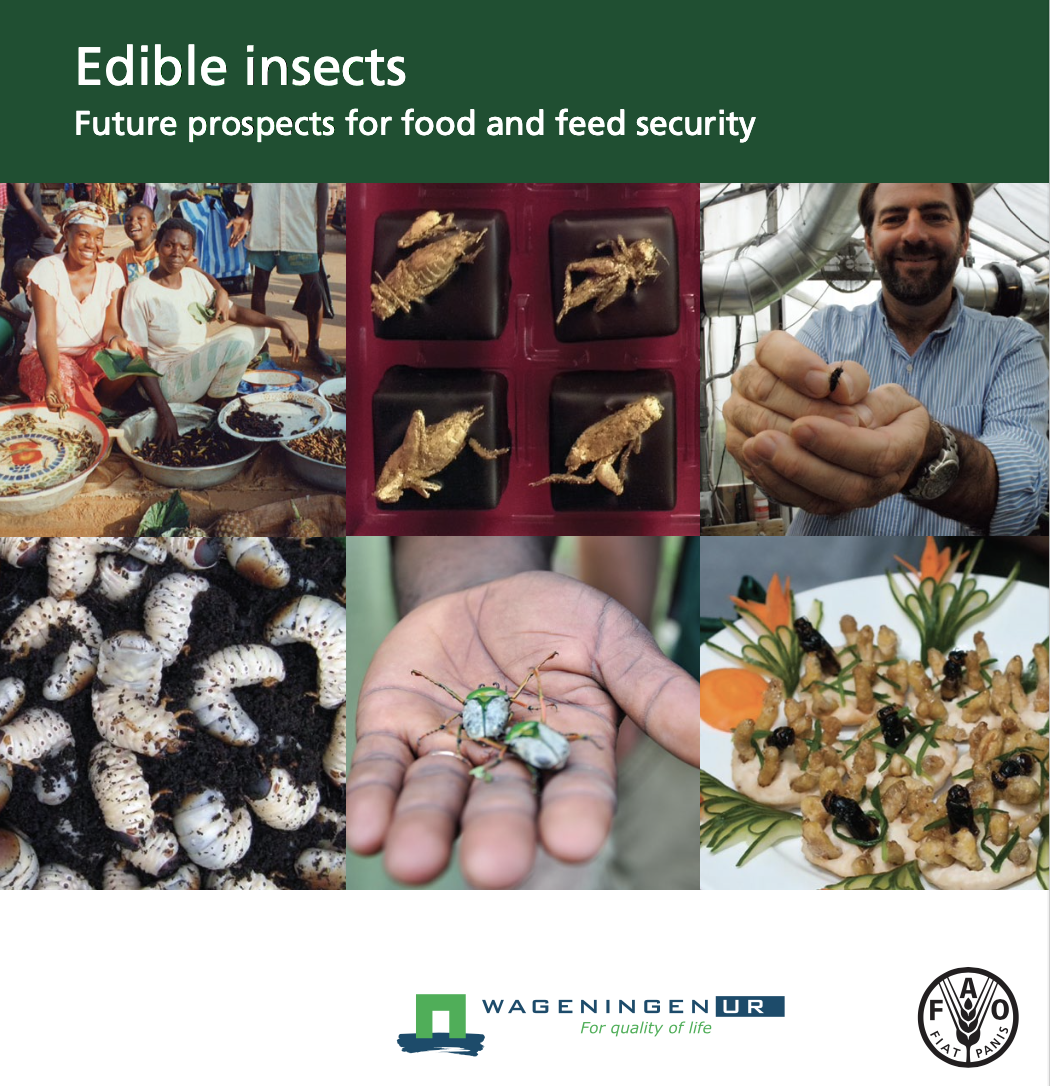
Insects may be a climate-friendly, healthy, and safe alternative livestock (yup, as in alternative to cows, pigs, chickens, and fish). In 2013, the Food and Agriculture Organization (FAO), entitled “Edible insects: Future prospects for food and feed security.” In my opinion, this report can be considered one of the most significant efforts to introduce the very real concept of “insects as food and feed” to a global audience. The report is comprehensive of all the research and knowledge on insects as food and for use as animal feed and covers almost all angles from nutritional, economic, environmental, regulatory, and more (there has been a surge of new research in this area since first publication of the report but a lot of the conclusions are still valid).
The cover of the FAO report.
Just a few highlights taken directly from the report and other studies (I’ll spend future posts doing a deeper dive into the evidence behind these issues. This is just an intro after all):
Environmental Benefits
Lower environmental impact of raising insects compared to traditional livestock.
Lower feed to protein conversion ratio – more weight gain/amount of feed.
Insects are cold-blooded and this means that insects are extremely efficient at converting feed to body mass. For example, on average, insects can convert 2 kg of feed into 1 kg of insect mass, whereas cattle require 8 kg of feed to produce 1 kg of body weight gain.
Lower green-house gas (GHG) emissions than traditional livestock.
For example, pigs produce 10–100 times more GHGs per kg of weight than mealworms.
Lower water requirements than traditional livestock.
Insect farming is less land-dependent – insects can be raised vertically, thus maximizing land use.
An important component of a circular economic model.
Globally, >1/3 of the food is lost or wasted, resulting in an economic loss of $1 trillion USD, and contributing to 10% of GHG emissions. Food waste ends in landfill rotting and emitting the potent harmful GHG methane. Insects can be raised on plant and food waste and unsafe food/the inedible portion of the food, thus simultaneously reducing the environmental impact of food waste and producing a useful commodity.
For example, black soldier fly (BSF) larvae (BSFL) raised on food and other organic waste can then be used as animal feed or processed as food. In 2019, a company in Ecuador produced the largest plant in Latin America to use BSFL larvae to produce animal feed and fertilizer.
Opportunities to strengthen small holder farmers and local supply chains.
Insects can be produced locally as animal feed (both for livestock and aquaculture) thus reducing dependence on costly, international supply chains and markets for animal feed. This also creates economic opportunities for smallholder farmers.
Nutritional and Health Benefits
Insect protein can be a healthy, cheap alternative to meat.
Insects are higher in edible protein by mass than traditional livestock, and they are rich in nutrients and vitamins.
For example, cricket protein has higher levels of iron, calcium, zinc, manganese, and B vitamins than most other meat-based protein sources and these are especially essential for women of reproductive age and young children.
Insect protein powder can be produced as a nutritional supplement or added to other low-protein or processed foods.
Insects may be particularly important as a food supplement for undernourished children because most insect species are high in fatty acids, fiber, and micronutrients (copper, iron, magnesium, manganese, phosphorus, selenium and zinc).
Insects pose a low risk of transmitting diseases spread from animals to humans.
Social and Livelihoods Benefits
Improved livelihoods.
Insect farming can provide entrepreneurship opportunities in developed and developing economies. The technical requirements and capacity for starting an insect farm are relatively minimal and can be done in locally, which makes it accessible to many people, including those in agriculture-poor areas.
Insect gathering and rearing can offer an important livelihood diversification strategy. For example, insects can be directly and easily collected in the wild and sold to buyers.
Creates economic opportunities, both as entrepreneurs and employees, for women, youth, individuals with disabilities and other marginalized groups.
Insect agricultural work is less time and labor-intensive than traditional agriculture which means practically anyone can start an insect startup. This presents opportunities to engage with women and other groups marginalized from formal economic sectors.
Clearly there’s a lot of good to raising insects for food and feed, even in addition to fighting nutrition and climate change! So what do you think about edible insects now? Been bitten by the bug yet? Have I whet your appetite for creepy crawlies enough to want to learn more?
Just to ground-truth things a bit as well. While the pro-insect arguments are compelling, there are a number of outstanding questions that need to be considered. For example, how do we get past the “Yuck!” factor? How do we efficiently and effectively produce edible insects so that they can have the maximal amount of environmental, health, and economic benefits? Can (or should) we raise insects on an industrial scale and if we do, have we learned from our mistakes with traditional livestock? These (and many others) are important questions that I don’t think we have the answers to yet.
Also the reality is I don’t ever anticipate edible insects completely replacing meat. I personally love meat and fish and wouldn’t want to be deprived of them forever. You can imagine a future dinner in a week being a mix of different protein sources. For example, eating chicken, pork, or beef 2 nights, fish 1 night, lab-based meat substitute 1 night, insect-based protein 1 night, and vegetable or plant-based protein 2 nights. We can still enjoy meat but we need to drastically reduce consumption of it and introduce other more sustainable alternatives, like edible insects. This type of diverse diet is not very common right now but I still think it’s a good idea for a better world!
But back to the title of this post: can insects really help save the world? Maybe, but not definitely not by themselves. When it comes to combating climate change, hunger, poverty, inequality and all the rest of the world’s ills, a silver bullet simply doesn’t exist. What we need is a silver bullet machine gun! Insects as food and feed may just be one of the many silver bullets we use. My next few posts will take a look at why and how in greater detail. Until then, the ants go marching 2 by 2, hurrah, hurrah…
There’s a lot of darkness in the world right now. There seems to be an endless supply of conspiracy theories, fringe ideas become centered, urgent issues being ignored, and evidence and reason that is denounced and derided. What is the response to this? Cynicism? “The world is doomed so who cares anyways.” Blind optimism and the hope that things will just work out? Ostriching? That is, sticking your head in the sand and pretending the problem will go away? No to all of these.
The answer is the same as for any challenge: hard work and steady, incremental change. When you’re stuck in a hole do you bury yourself? No, you climb out! And the only way to counter bad ideas is with good ideas. Good ideas is our way out of the hole we’re in.
Good ideas tend to create more! Photo credit: Pexel
That’s what I want to do here. Share a couple of my favorite “good ideas.” Or least what I see as good idea. Maybe you’ll agree, maybe you won’t, but that’s the fun of free thought. In the end, I want try to make the world a better place for more people, even if it’s just a tiny bit.
Ok, first some background.
My name is Dr. Derek Simon. The “Dr.” is from my Ph.D. in Cellular and Molecular Biology, which I earned from the University of Michigan in 2013. I have always loved science and nature, and I always knew I wanted to be a scientist one day. Hence the title of this blog, “Dr. Simon Says Science (And More).” Get the bad joke? Simon Says… read my blog 🙂
This is me 🙂
I was the type of kid that would spend his summers turning over rocks looking for creepy crawlies underneath, or catching fireflies and frogs and putting them in jars so he could watch and study them. My parents had a video of me when I was seven years old asking me, “Derek, what do you want for Christmas?” I responded with, “A bug kit. And That’s all.” Even back then, we all knew…
As a youngster I dabbled in nearly all the sciences: geology (trips to rock quarries and an accumulation of 3 huge boxes of rocks that to this day are still in the basement of my parent’s house), chemistry (I started a fire on my kitchen table by mixing two random chemicals together1), entomology (the aforementioned backyard expeditions for bugs), microbiology (culturing bacteria from doorknobs and my dog’s saliva on homemade agar petri dishes), physics (I made a homemade tennis ball launcher in physics club that used lighter fluid as fuel), and more.
I eventually refined my passion to “curing disease” and discovered cellular and molecular biology, or how life works at the molecular level. I was amazed by the incredible complexity of the cell, and how the vast diversity of biological life, behaviors and structures are all ultimately derived from the same collection of molecules, participating in an insanely complicated molecular dance that has evolved over hundreds of millions of years.
A few years ago I hit the wall in academia. As a kid, I thought “curing disease” was just finding that one magic pill through mixing stuff together at random until…“Eureka!” Oh, how wrong I was. As a real scientist, I learned how much work (just to be clear, oftentimes incredibly repetitive and tedious work) it takes to even figure out something tiny. As a grad student, I would make the joke that “if A is the discovery of something new, like a novel molecule or gene, and M was the drug given to a patient to treat their disease, your entire thesis project might take you from C to D, maybe to E if you were lucky…”
As you can imagine, after over 10 years “at the bench” as we say, I got burned out by doing the type of research I was doing and no longer felt the passion for the work. To me, moving from C to D didn’t feel like accomplishing anything or helping anyone. Though I still believe strongly in basic research in general. There are so many dedicated, hard-working scientists that make unseen contributions to our world everyday, but for me, I didn’t want that life anymore.
Five years later I am still working as a contractor for USAID (honestly, I’m ready for another change) but through my diversity of experiences on this new path, my passions have spanned in so many different and unexpected directions. I am thankful I made that unplanned transition because I have been exposed now to a whole constellation of amazing ideas that never would have occurred to me on a more traditional scientific path.
Some of those ideas could very well help save the world one day.
That’s what this blog is about: ideas on cool and interesting things that I think may help to make the world a better place.2 My goal for this blog is to simply share a few of my favorite ideas that are not necessarily in the mainstream right now but I think could have a real potential to help the world in the future. And most importantly, I want to discuss the data and research behind them: why do I think these are good ideas and what is the evidence for that?
I have so many interests in so many areas but I will mostly stay within my past and present fields: the biomedical sciences and international development. I will try to be focused on topics within these very deep buckets while at the same time remaining flexible to write about anything cool I happen to stumble across (tech, psychology, philosophy, so much knowledge out there…). I also don’t plan to claim these ideas as my own, but when it comes to good ideas, the more people talking about them the better!
But before I share a few of the things I may write about, I think I should share some of my values and assumptions. After all, if I’m writing a blog about good ideas to make a better world, how exactly do I define that “better world”?
At the core of my beliefs is that I think all people are equally important and have equal value, regardless of who they are or identify as, where they live, and under what circumstances they were born. I believe all people should have the same right to pursue a life of their choosing and be given the same opportunities and chances for happiness and fulfillment as everyone else. I will make no attempt to prove these values scientifically but this is simply the foundation for the topics I will pursue in this blog. Sadly, I do not think many people in the world explicitly share these values and even worse, some people actively believe in the opposite or promote a world-view that either intentionally or not, is moving us farther from these values. But I don’t care about those people. I’m not going to try to convince anyone about my values. They are are simply my working assumptions for the things I want to talk about: how can we make the world better for everyone? How can we make life on earth (not just for humans either, mind you) more equitable, safe, healthy, peaceful, prosperous, and sustainable?
Ok, so now that’s out of the way: what are some of my ideas?
One of my favorites that I’ll focus on for the first few posts is related to climate change and food security: entomophagyor the eating of insects as food. (ento = insects, phagy = to eat). My passion for bugs continues 30 years later since that Christmas “bug kit” video and my summer bug catching adventures…
Now, I’m not the first to argue that eating insects is a great idea. Actually, Medium itself has already curated a bunch of edible insects articles published here. And eating insects itself is hardly a new idea. It’s been practiced by cultures all over the world and throughout human history. What’s “new” about it is making it mainstream. I’ll argue that we should rotate in more insects into our diet, and cut back on environmentally-destructive cattle and pigs.
But that’s just a taste (pun definitely intended) of things to come. I also want to talk about a whole range of issues, many that I’ve worked on directly or indirectly in my career. These include: drug addiction and why it should be treated as a medical ailment and not a criminal disorder (the focus of my old blog posts and some of post-doctoral research), the virtue of the social business model over the standard profit-driven model, the strengths and flaws of international development and how to make it better, and plenty more.
Thanks very much for reaching the end of this and I hope to keep you engaged and learning! After all, anyone who’s alive is still learning; we’re all just figuring it out as we go. I hope you join me on this learning journey as Dr. Simon Says Science (and so much more).
And now, let’s start digging out of that hole we’re in 🙂
I know now that the reaction was potassium permanganate and glycerine, a very intense redox reaction. Actually, I found this video on youtube of it. Isn’t the internet great?
Truth be told, I actually started blogging way back in 2015 or so but gave it up a few years ago. A lot of my old posts were on neuroscience, drug addiction, and other topics. You can still find them in my “archive” (i.e. the drop down on the right).







 Dr. Simon Says Science (And More)

