This Week in Oncology: Nov 10 – 14, 2025

🌱 Could Wegovy and Ozempic Help Fight Colon Cancer?

🧾 What happened?

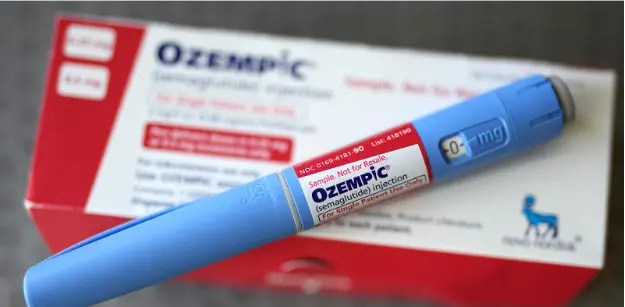
The weight-management drugs Ozempic and Wegovy have become blockbuster treatments for obesity and are having a real impact on patients. Millions of people in the United States now use GLP-1 medications. One study from the Kaiser Family Foundation, a leading health data organization, estimates that 12 percent of people in the US have used them.

These drugs are synthetic versions of the naturally occurring GLP-1 hormone, which regulates a variety of metabolic functions. While the benefits of GLP-1 drugs are well established for diabetes, weight management, and cardiovascular disease, a new study suggests a potential benefit for colon cancer patients as well.


🔬 What was found?

The study analyzed medical records from more than 6,800 people diagnosed with colon cancer. Patients who were taking GLP-1 medications were significantly less likely to die within five years compared with those not using the drugs
(15.5 percent versus 37.1 percent).

The benefit appeared strongest among obese patients with colon cancer (BMI over 35).
Although this was not a randomized trial, the findings suggest a meaningful survival advantage and point toward a possible new therapeutic value for GLP-1 drugs.


💡 So what?

When GLP-1 drugs were first introduced, beginning with the 2005 approvals for Type 2 diabetes, there were early concerns about risks such as pancreatitis and possible links to pancreatic or thyroid cancers.

However, recent meta analyses from clinical trials and large observational datasets have found no evidence of increased cancer risk. In fact, several studies suggest potential protective effects, including reduced incidence of hepatocellular carcinoma, colorectal cancer, ovarian cancer, and prostate cancer.

The caveat is that cancer often develops over many years, and the existing studies may not cover long enough time periods to detect small differences in risk.

Even so, the current data are promising. This new study is the first to examine the effect of GLP-1 drugs on mortality in colon cancer patients, and the results align with earlier findings of reduced colon cancer incidence in GLP-1 users.

As more people begin taking these medications, researchers should pay closer attention to their effects on other diseases, including cancer. If GLP-1 drugs are truly protective, controlled clinical trials will be needed to prove it. Such a finding could be a genuine game changer, and companies like Pfizer and Novo Nordisk would not hesitate to explore broader therapeutic applications for their leading products.


🔗 Sources

Dr. Simon Says Science: This Week in Oncology – Oct 27 – 31, 2025

Week 3: Oct 27 – Oct 31, 2025

💉 Merck Clinches Another Approval for Its PD-1 Inhibitor Keytruda in Head and Neck Cancer

🧾 What happened?

Immunotherapy remains one of the most promising advances in cancer therapy over the past decade.
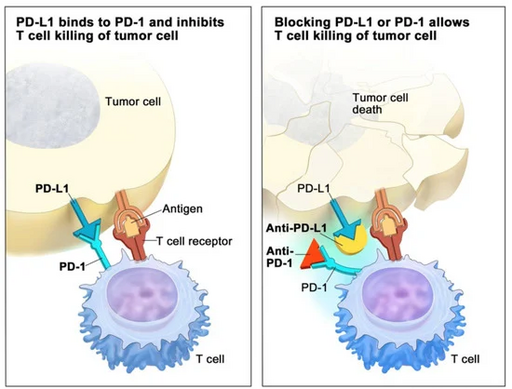
Prototypical in this class is Merck’s blockbuster PD-1 inhibitor, Keytruda (pembrolizumab), which acts to “release the brakes” on the immune system.

On Wednesday, Merck announced that the European Commission approved Keytruda for PD-L1–positive head and neck cancer, following the FDA’s approval for the same indication earlier this year in June.


🔬 What was found?

The decision was based on results from the Phase III KEYNOTE 689 trial, a randomized, active-controlled, open-label study evaluating pembrolizumab in locally advanced head and neck squamous cell carcinoma (HNSCC).

The drug was administered both before and after surgery, in combination with standard of care radiotherapy (with or without cisplatin chemotherapy).

Patients receiving the Keytruda regimen achieved a median event-free survival of 59.7 months compared with 29.6 months in the control group and showed a 30 percent reduction in the risk of recurrence, progression, or death.


💡 Why does it matter?

Merck’s ongoing strategy of expanding combination approvals for Keytruda is clearly paying off.

These results reinforce how PD-1/PD-L1 checkpoint inhibition continues to reshape oncology, improving survival across multiple tumor types — including melanoma, non-small-cell lung cancer (NSCLC), renal cell carcinoma (RCC), HNSCC, and urothelial carcinoma — as well as tissue-agnostic indications such as MSI-H tumors.

Still, immunotherapy is typically effective only in immunologically “hot” tumors (those with high PD-L1 expression), and the development of resistance remains a major challenge. 

Time will tell whether Merck and other companies can continue expanding checkpoint inhibitors across additional cancer types.


🔗 Sources

💉 Could the COVID-19 Vaccine Help Fight Cancer Too?

🧾 What happened?

In addition to halting the pandemic and saving millions of lives, the COVID-19 mRNA vaccines may also have an unexpected benefit in cancer treatment.
An exciting new study led by researchers from MD Anderson Cancer Center and the University of Florida found that mRNA vaccination significantly increased survival in lung and skin cancer patients undergoing immunotherapy.


🔬 What was found?

The study, published this month in Nature, discovered that receiving a SARS-CoV-2 mRNA vaccine within 100 days of starting immune checkpoint inhibitor therapy was associated with substantial improvements in overall survival (OS) in patients with non-small-cell lung cancer (NSCLC) and melanoma.
The findings were based on analysis of more than 1,000 patient records from MD Anderson.

While the results are preliminary, the researchers are now designing a randomized clinical trial to confirm these findings.


💡 So what?

Immunotherapy remains one of the most exciting advances in cancer treatment in recent years, including checkpoint inhibitors (PD-1/PD-L1 inhibitors) and CAR-T therapy.
However, a major limitation of checkpoint inhibitors is that the tumor must be immunologically active, often characterized by high PD-L1 expression.

These new results suggest the possibility of a universal cancer vaccine that could prime the immune system against multiple tumor types.
If confirmed, this research could open entirely new avenues for immunotherapy development and cancer prevention.


🔗 Sources

Dr. Simon Says Science: This Week in Oncology

🧬 Patients with Autoimmunity Respond Better to CAR-T Therapy

Chimeric antigen receptor (CAR-T) cell therapy is a powerful immunotherapy in which autologous (self-derived) T-cells are reprogrammed to attack a patient’s cancer.
Seven CAR-T therapies are currently FDA-approved: three for B-cell lymphomas, one for acute lymphoblastic leukemia (B-ALL), one for mantle cell lymphoma, and two for multiple myeloma. However, side effects, sometimes potentially life-threatening, continue to pose a challenge.

Interestingly, a retrospective study of cancer patients receiving CAR-T therapy found that pre-existing autoimmune disease ((e.g., lupus, rheumatoid arthritis) was associated with less toxicity and shorter hospital stays. Among patients with myeloma, lymphoma, or leukemia, 68% of those with autoimmune disease experienced significant side effects, compared with 79% of patients without autoimmunity.The mean duration of hospitalization was also reduced by 2.1 days for patients with autoimmunity.

The specific mechanism that confers protection is still unknown, but this study confirms that CAR-T therapy is feasible and safe in patients with autoimmune disease and may even support exploration of new therapeutic avenues for this population.


💭 What do you think explains this protective effect?
🧠 Could immune dysregulation actually offer clues to safer, more effective immunotherapies?

🔗 Source: Associations Between Pre-Existing Autoimmunity and Chimeric Antigen Receptor T-Cell Therapy Toxicity for Cancer Treatment
ACR Open Rheumatology, 2025
https://acrjournals.onlinelibrary.wiley.com/doi/10.1002/acr2.70112

🤖 Thermo Fisher Partners with OpenAI to Advance Scientific Breakthroughs

Thermo Fisher Scientific, the Massachusetts-based global leader in analytical instruments, diagnostics, clinical solutions, and laboratory, pharmaceutical, and biotechnology services, has announced a partnership with OpenAI.

Thermo Fisher stated that the collaboration “will help improve the speed and success of drug development” and will be integrated across the company, including its clinical research and drug discovery divisions, among others.

This partnership is another example of how biomedicine is betting big on the promise of AI. For instance, last year Lilly and Novartis entered AI collaborations with Alphabet’s Isomorphic Labs. These initiatives may influence drug discovery, multi-omics analysis, precision medicine, clinical trial design, and more.

Time will tell whether the promise of AI will truly benefit patients, which is ultimately the goal of biopharma, but this new collaboration suggests that Thermo Fisher is betting it will.


💭 What areas of biomedical research do you think AI will impact the most?
🧠 How can biopharma companies leverage AI to improve their businesses?

🔗 Source: Press Release from Thermo Fisher https://newsroom.thermofisher.com/newsroom/press-releases/press-release-details/2025/Thermo-Fisher-Scientific-to-Accelerate-Life-Science-Breakthroughs-with-OpenAI/default.aspx

Dr Simon Says Science: This Week in Oncology

🔬 Tempus AI Awarded $60.5M Contract to Support ARPA-H Precision Oncology Program

Oct 13, 2025

It’s good to see, even amid a government shutdown and a tough landscape for research in general, that some federal programs are still thriving.

Modeled after DARPA’s approach to technology development, ARPA-H is a high-risk, high-reward research framework designed to tackle some of the biggest and most intractable problems in biomedicine.

The Advanced Analysis for Precision Cancer Therapy (ADAPT) program aims to understand how biomarkers change as cancers mutate and to build a repository of tools and resources to better target therapies to these changes.

ARPA-H is now partnering with Tempus AI to leverage the company’s AI-driven tests as part of this effort. Tempus AI already integrates large-scale clinical, molecular, and imaging data with artificial intelligence to produce precision oncology diagnostics that help physicians tailor treatments and accelerate therapeutic discovery.


💭 What are your thoughts on the ARPA-H model compared to more traditional scientific funding mechanisms?
💡 And what other AI-driven innovations show the most promise for advancing precision oncology?

🔗 Source: Tempus AI Awarded $60.5M Contract to Support ARPA-H Precision Cancer Therapy Program

🧬 Patients with Rare Cancers Experience Delays in Treatment

Oct 16, 2025

I cut my teeth in the oncology space studying dysregulated signaling pathways in adrenocortical carcinoma, a rare cancer with a dismal prognosis. To my chagrin, a new report from the American Cancer Society (ACS) reveals that care for rare cancer patients is still lagging.

Pulling data from the National Cancer Database (NCDB), researchers analyzed records from 1,756,944 patients diagnosed with rare cancers in the U.S. between 2015 and 2022—representing about 23.4% of all cancer diagnoses during that period.

More than one-third of these patients did not initiate treatment within 30 days of diagnosis, highlighting a persistent gap in timely care for this population.

While the factors influencing time to treatment are complex, greater adoption of precision oncology diagnostic tools may help bridge this gap, by accelerating and improving diagnosis, identifying targeted treatment options, and matching patients with specific mutations to cutting-edge clinical trials that might otherwise be inaccessible.


💭 How do you think patients with rare cancers can be better served?
🧠 Do you agree that precision oncology tests play a key role in improving care?

🔗 Sources: Individuals With Rare Cancers Present Distinct Diagnosis Patterns; Many Experience Treatment Delays
Abstract, 2025 ASCO Quality Care Symposium